Most people struggle with visualizing sixteen inches without a tape measure in hand. It is a practical length that shows up across kitchen tools, electronics, home décor, and sports equipment more than you’d expect. This guide connects this common measurement to real life household items you already own.
Whether you are a DIY enthusiast doing projects, shopping online, or simply organizing space, having solid mental reference markers makes planning faster, smarter, and far less confusing.
How Long Is 16 Inches?
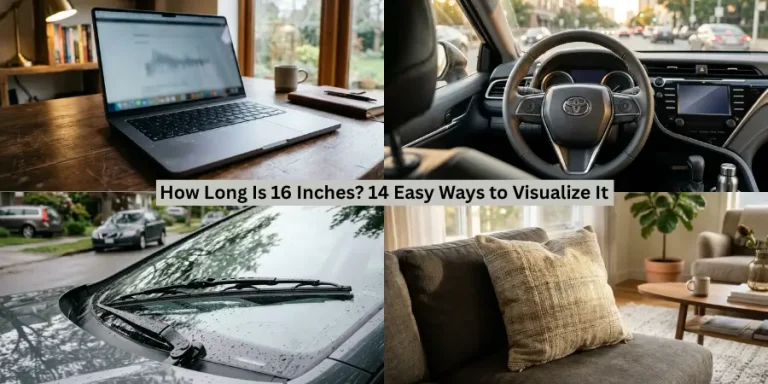
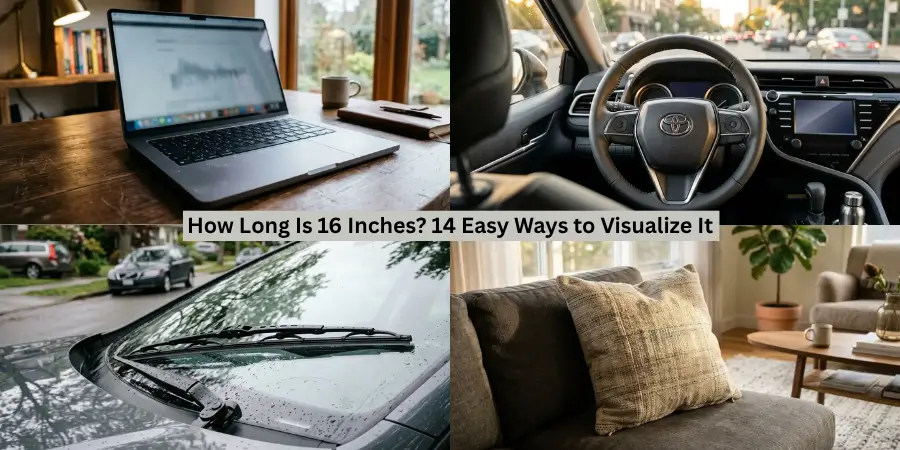
16 inches matches the diameter of a large pizza pan, the width of a full-size laptop keyboard, and a standard 16×16 inches throw pillow. It equals two A4 sheets side by side, five credit cards end to end, or two unsharpened pencils combined.
A compact foam roller, large cutting board, and most steering wheels also sit at this size. An adult’s arm span from the elbow down to the fingertips is about the same length.
16 inches = 40.64 cm = 406.4 mm = 0.4064 meters = 1.33 feet = 0.444 yards
Things That Are About 16 Inches Long
- Large pizza pan
- Standard laptop keyboard
- 16 × 16 throw pillow
- Two average male hands
- Car windshield wiper
- Large cutting board
- Compact foam roller
- Steering wheel
- Small rectangular baking tray
- Medium wall clock
- Two A4 papers
- Two standard pencils
- Five credit cards
- Bowling pin
1. Large Pizza Pan
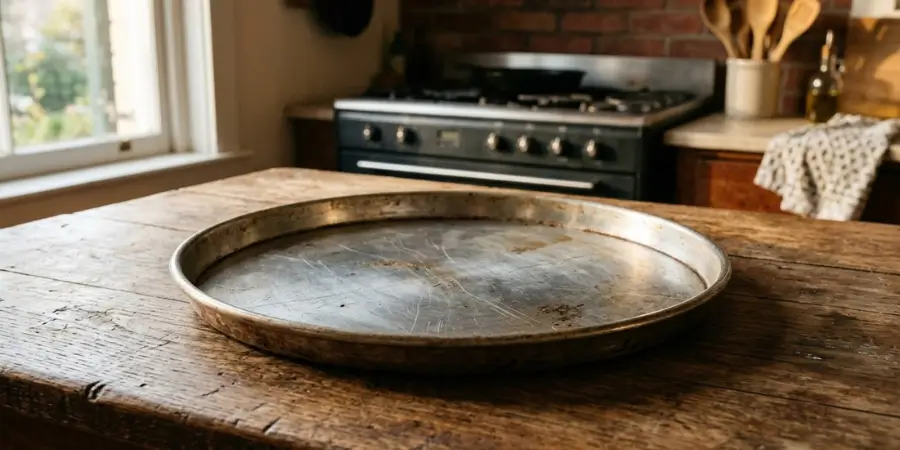
Most people never think about a pizza pan as a reference for length, but it works surprisingly well. A large pizza pan sits at exactly 16 inches in diameter, which is why it feels so bulky when pulled from the oven. Commercial pizza pans built at this size can accommodate dough that serves anywhere from four to six people comfortably.
Standard home ovens are engineered to balance that portion size without crowding the rack. Pizzeria owners know this disc-shaped culinary tool well. The toppings, sauce, and cooking time all shift once you hit this width.
2. Standard Laptop Keyboard Width

Laptop keyboards built at full-size span reach roughly sixteen inches wide, giving your hands room without unnecessary stretching. That said, screen size and device width are different things entirely. A sixteen-inch display measures diagonally, from corner to corner, which means the actual frame sits slightly wider.
MacBook Pro and Dell XPS both use this footprint for video editing and graphic design workflows. Tech reviewers consistently note that workstations at this scale offer serious screen real estate without sacrificing portability.
Laptop sleeves and bags designed for this workspace fit into most backpacks cleanly. Professionals doing multitasking tasks strongly prefer larger screens over ultrabooks for productivity and comfortable typing during daily work.
3. Throw Pillow (Square)

Throw pillows sized at 16×16 inches are the most stocked format across home décor retailers globally. Interior designers reach for this square cut because it sits proportional against sofas, beds, and chairs without looking undersized or overdone.
This sixteen by sixteen inches format delivers genuine visual fullness without overpowering the furniture around it. The decorative role it plays is structural too, holding its shape better than smaller accent pillow formats
4. Two Average Male Hands
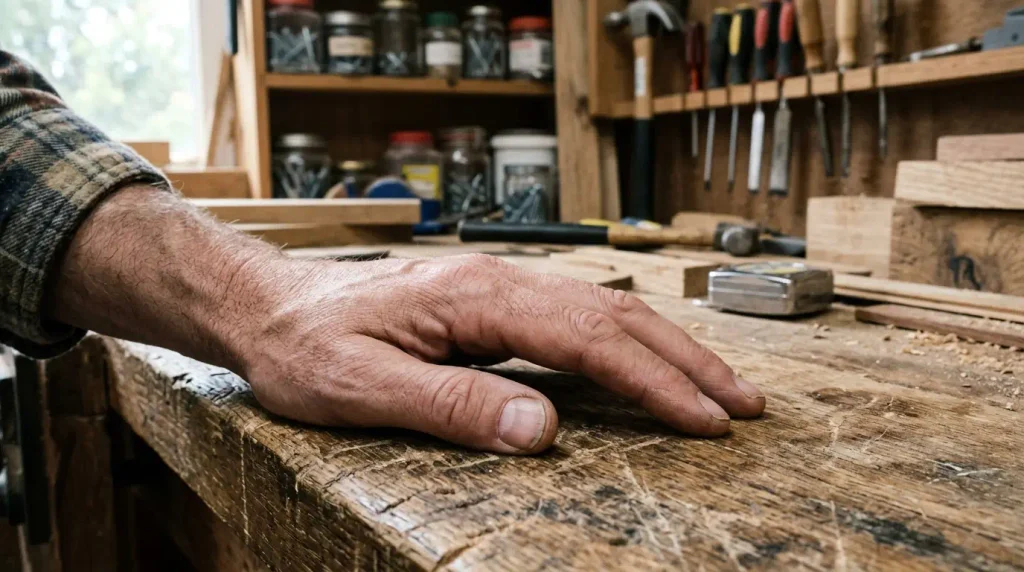
The adult male hand from wrist to middle finger tip measures around seven point six inches, which means placing two end to end gets you surprisingly close to the target span. Because of this, it serves as a highly familiar and practical body-based way for adults to estimate length.
When checking shelves or furniture fit without a ruler, most people unconsciously use their hand dimensions to gauge available space. It works well for quick estimates during moves or instinctive size checks while shopping. The double hand method stays consistent enough for practical use across most adults.
Your forearm from elbow to fingertips offers a second crosscheck, landing in the 16 to 18 inches range depending on build.
5. Car Windshield Wiper (Small Size)
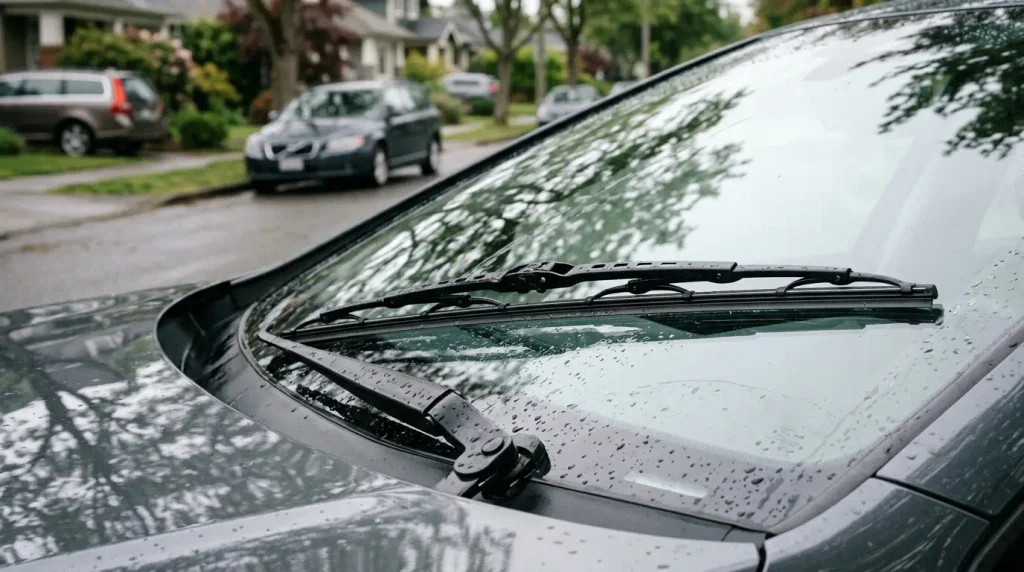
Windshield wipers on compact cars like a Vitz or Yaris commonly use a sixteen inches blade on the front passenger side, where the surface area demands solid clear glass coverage.
The rear window of a hatchback typically runs a fourteen inches blade since that visibility zone is narrower. Shorter wipers on the rear are built to match the glass geometry precisely, and using the wrong length causes streaking rather than clearing.
6. Cutting Board (Large Size)
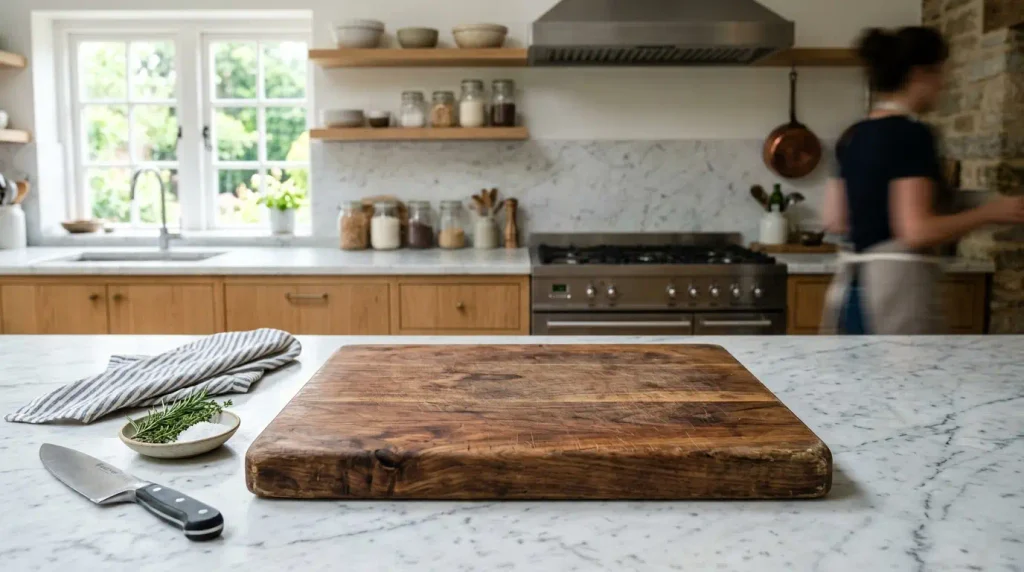
A cutting board at sixteen inches is where serious meal prep actually happens. Home cooks and professional chefs both reach for this size because the chopping space is wide enough to break down vegetables, proteins, and herbs without food falling off the edges.
Kitchen supply stores consistently list this format among their bestsellers, and it is easy to see why during family meals prep.
7. Foam Roller (Compact Type)
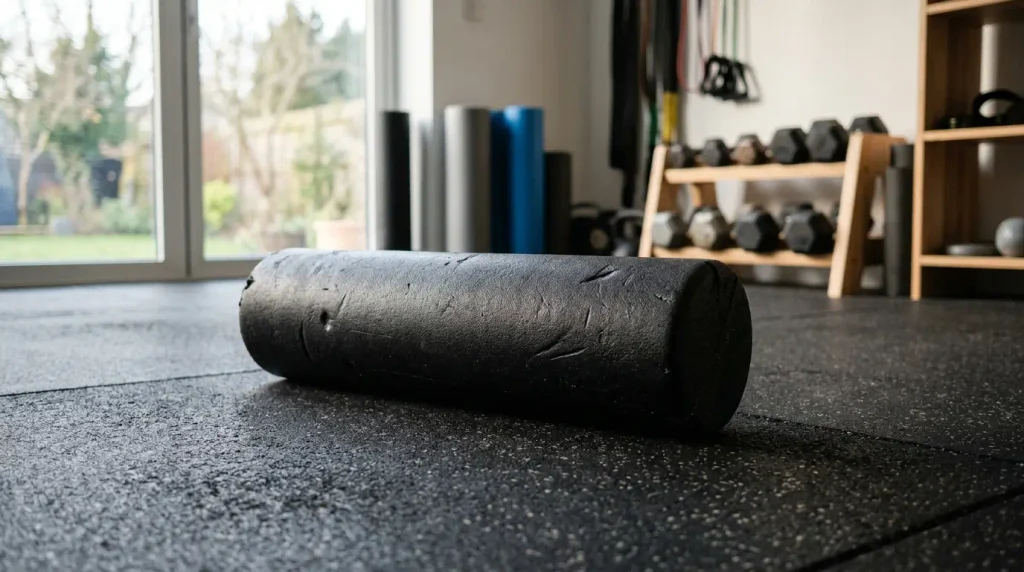
A compact foam roller built at sixteen inches long is the practical choice for both travel and home workouts. It stores easily, fits most gym bags, and does not demand dedicated fitness floor space. Longer rollers cover more surface area but are genuinely harder to store between sessions.
8. Steering Wheel Diameter
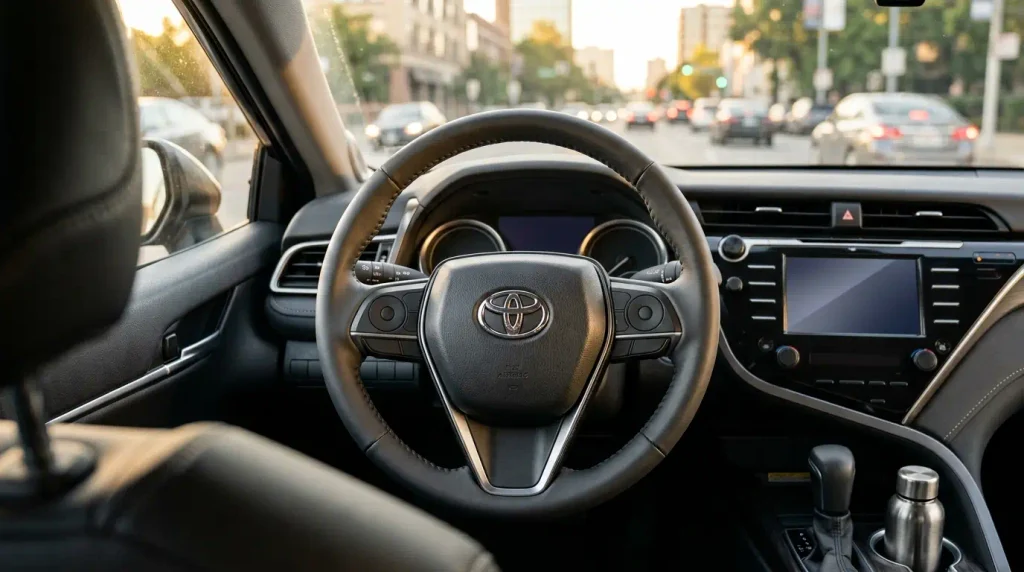
Steering wheels in most production cars sit between fourteen to sixteen inches in diameter, but this range tells a more specific story.
Sports cars and performance vehicles favor the smaller end for sharper maneuverability, while everyday sedans lean toward the full sixteen inches for better leverage during low-speed turning. Automotive engineers calculate this spec around grip, control, and the distance between the drivers hands at nine and three positions.
9. Baking Tray (Small Rectangular)
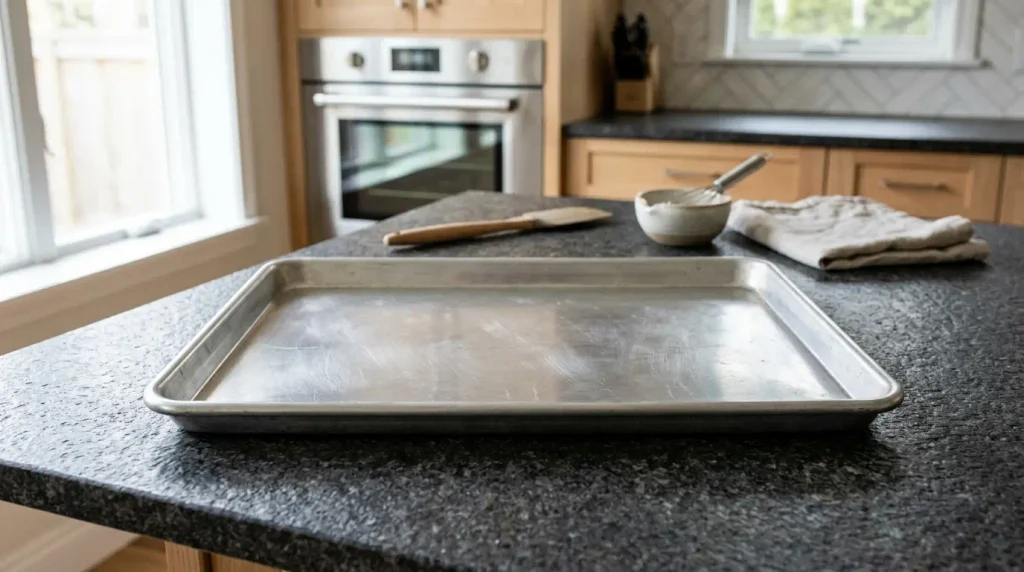
A rectangular baking tray running sixteen inches long fits most compact ovens without forcing diagonal placement. Kitchen use at this scale covers roasting vegetables, baking cookies, and reheating without needing the full-size sheet pan.
The length is the critical number here since oven rack depth is what limits your options. Square trays of similar area simply do not distribute heat the same way along the longer edge.
10. Wall Clock Diameter (Medium)

A wall clock running sixteen inches wide in diameter is the reliable choice for medium to large walls where smaller options look lost.
A clock under fourteen inches on a wide wall reads as decorative clutter rather than a functional piece. At this size, the numbers stay readable from across a room without requiring oversized typefaces or high contrast tricks.
11. Two A4 Papers Width

Most students and professional workers handle A4 sheets daily without realizing they carry a built-in spatial tool. A single sheet measures eight point three inches wide, so placing two side by side lands you right at the target span. This makes it one of the most accessible everyday objects for a rough estimate when no tape measure is nearby.
The method works well for academic settings too, where notebook and binder sizing often needs a quick reference point. It is not a replacement for precise measurement, but for general spatial assessment of a width or length, two flat paper sheets give you a reliable, zero-effort solution that almost everyone can access instantly.
12. 2 Standard Pencils (End to End)

Two unsharpened pencils placed end to end give you a surprisingly accurate span check. A standard wooden pencil measures between seven point five inches and eight inches depending on the manufacturer, so the combined two pencils length lands right at the target.
This works as a reliable makeshift tool for quick checks during school supply organization or office desk planning. Sketching and writing professionals often keep two pencils on the desk anyway, making this a zero-effort reference
13. 5 Credit Cards
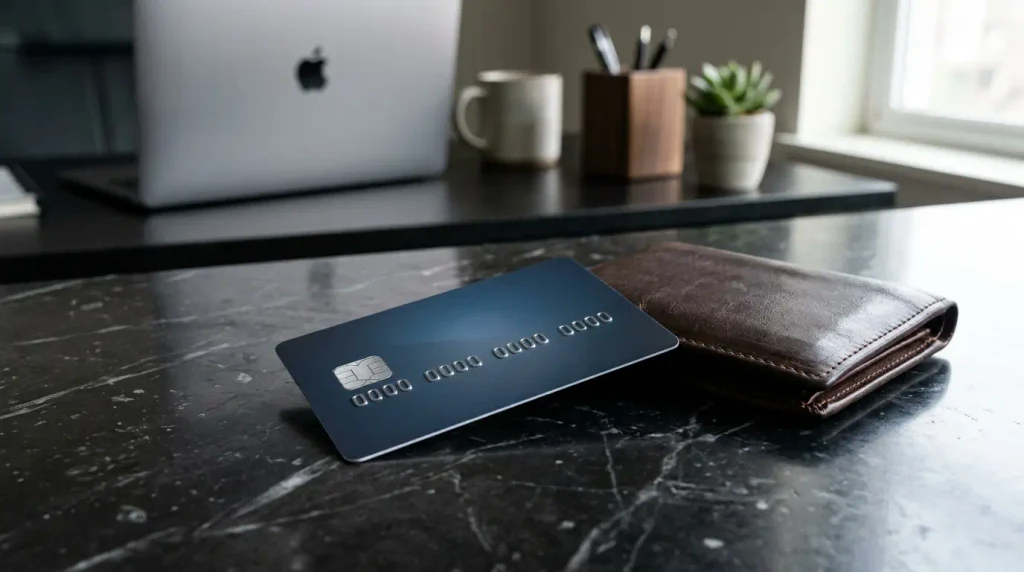
Credit cards and debit cards issued by banks follow a globally standard size defined under ISO/IEC 7810 ID-1, the same specification that governs ATMs and card readers worldwide. Each card measures exactly 85.60 mm in length, 53.98 mm in width, and 0.76 mm in thickness, which translates to 3.37 inches long per card. Lining up five of them end to end gets you precisely to the target span.
Most people carry enough cards in their wallets to do this check instantly. These plastic rectangles work well for estimating small spaces like a drawer width or shelf gap without a tape measure. Your wallet is already carrying a perfectly calibrated estimate tool.
14. Bowling Pin Height
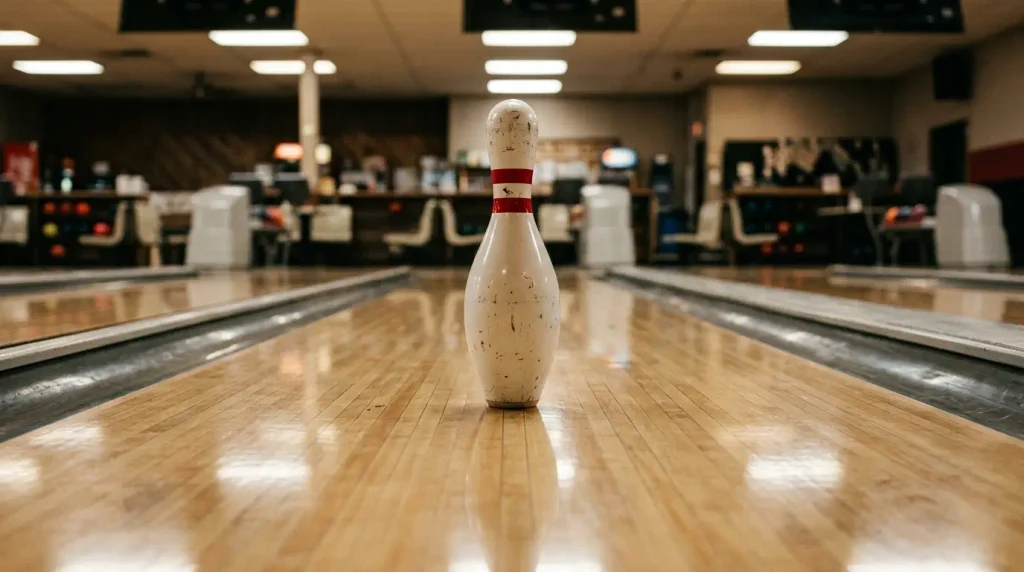
The bowling pin is one of those objects most people recognize instantly but rarely think about in terms of height. According to the United States Bowling Congress, USBC specifications set certified pins at exactly fifteen inches tall, just shy of our target by roughly one-and-one-tenth inches.
That gap is small enough that a bowling pin functions as a near-perfect visual reference for this span. Tenpin setups across every certified lane in the country use sugar maple wood pins cut to this regulated measurement.
Conclusion
Understanding sixteen inches stops being abstract the moment you connect it to everyday objects around you. A laptop screen, kitchen tools, home furnishings, and even credit cards from your wallet all bring this size into focus without needing measuring tools.
The brain builds better spatial reference from real objects than from numbers alone. Whether you are shopping online for furniture, checking equipment fit, or making quick decision-making calls on product categories, having a mental library of household items at this scale changes how confidently you work.
Pencils, bottle caps, quarters, paperclips, and toilet paper rolls all serve as honest visual benchmark tools. Estimation does not require precision instruments when your surroundings are already built to practical dimensions.
Faq’s
What Common Objects Are Roughly 16 Inches Long?
Several household items sit right at this mark. Baking trays, 5 Credit Cards, and shelves are commonly built at this span. Throw pillow and a large pizza pan also land here
How Does 16 Inches Compare To A Standard 12-Inch Ruler?
A standard ruler measures twelve inches. Sixteen inches runs four extra inches beyond that mark. Lay a ruler flat and extend four inches past its end to visualize the comparison.
How tall is 16 inches when expressed in feet and inches?
16 inches works out to exactly 1 foot and 4 inches, or 1.33 feet when written as a decimal.
What Are Simple Ways To Estimate 16 Inches Without Using A Ruler?
Place 2 standard Pencils end to end, or align a laptop keyboard against a flat surface. Five credit cards lined up also work. A throw pillow width is another instant visual reference.
Does A 16-Inch Laptop Refer To Its Actual Width Or Screen Size?
The 16-inch measurement refers to the screen’s diagonal length, taken from one corner to the corner directly across from it. The physical body of the laptop runs wider than that. Always check the actual frame dimensions before purchasing laptop sleeves or bags, since the device width will exceed the advertised screen size by at least an inch or more.
How Many Centimeters And Millimeters Are Equal To 16 Inches?
Sixteen inches equals exactly 40.64 centimeters or 406.4 millimeters.