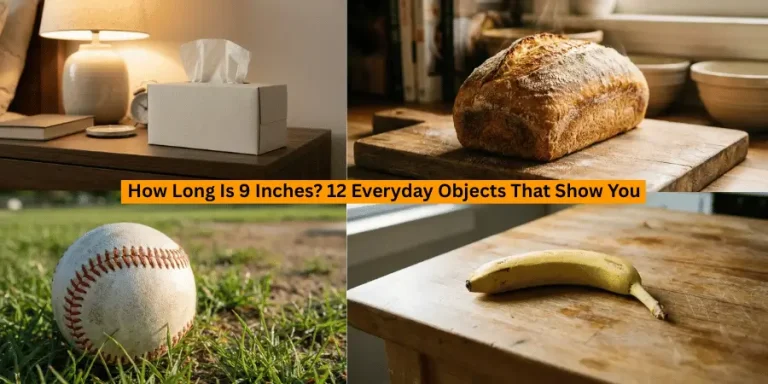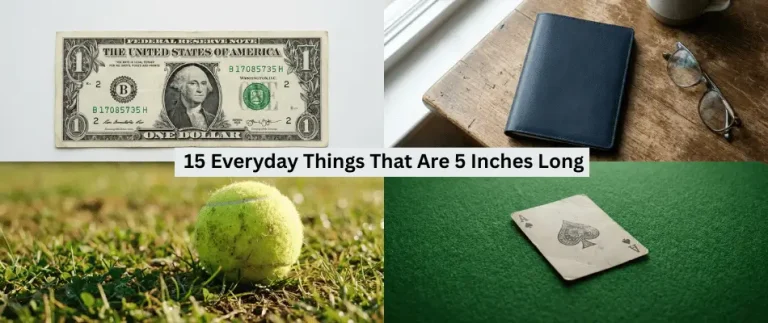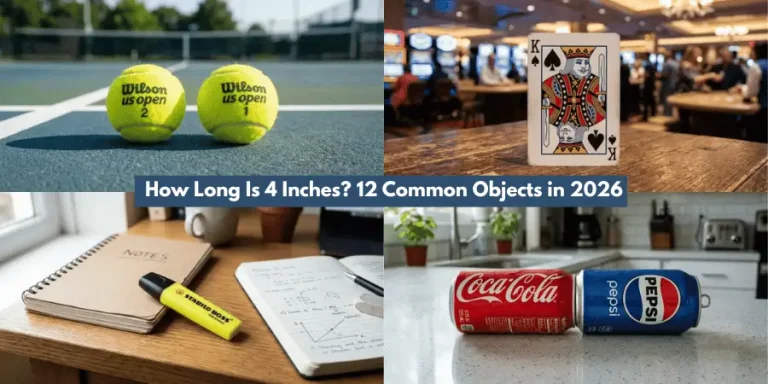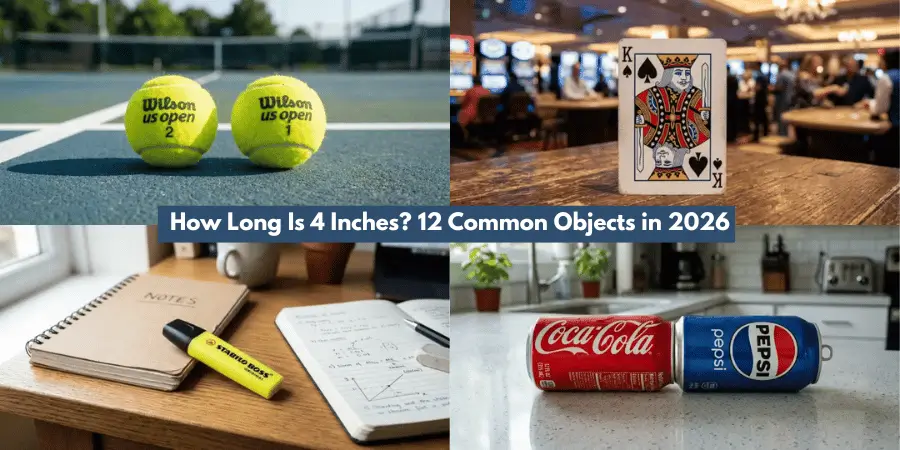
You notice how Four inches works as a crucial measurement unit in everyday life, offering a compact length that equals 10.16 centimeters and sits comfortably in your hand. This article comes from a simple experience, where you don’t always have a ruler or tape, yet your knowledge helps in measuring small items without extra tools.
As you handle projects or browse shopping online, spotting familiar common 4-inch objects helps you build quick instant reference points. You easily apply this practical idea for comparison, as this useful concept constantly represents real value in your daily lives.
How long is 4 inches?
Understanding how long 4 inches is becomes easier when you look at it through simple unit conversion and everyday length comparison. It represents a small measurement, roughly similar to the width of a hand, making it practical for daily use.
By converting it into the metric system, you can better grasp its exact size and improve accuracy in different contexts. This kind of measurement understanding helps in both casual and technical situations.
4 inches = 101.6 mm = 10.16 cm = 0.333 foot = 0.1016 meters = 0.111 yards
Common Items That Measure 4 Inches
- Height of Two Credit Card
- Adult Palm Width
- Golf tees
- One and a Half Baseballs
- 2 Tennis Ball
- Popsicle Stick
- Standard Brick ( Half )
- Soda Cans
- Four US Quarters
- Highlighter
- Large Sticky Notes
- Standard Playing Card
1. Height of Two Credit Card
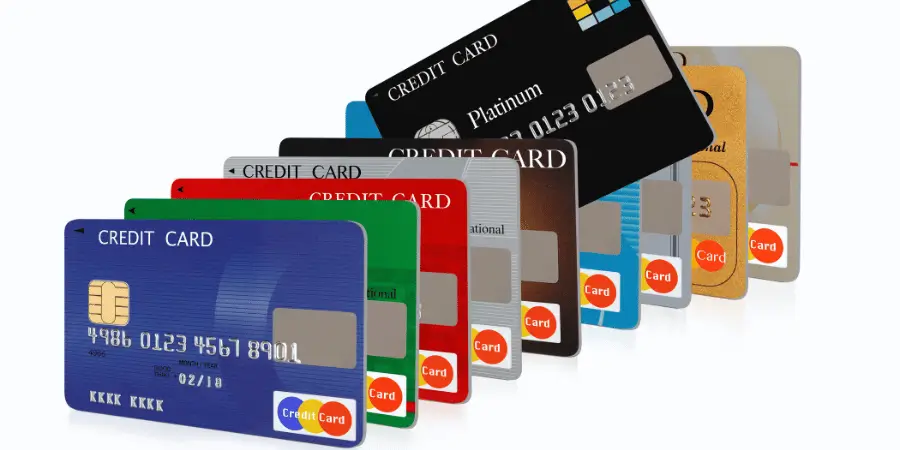
You can easily picture four inches by using credit cards you already carry. Because banks follow an international standard called ISO/IEC 7810 ID-1, which fixes the size, lengths, and widths of a single credit card at about 3.37 inches long and 2.125 inches wide.
If you simply align two credit cards next to each other across their width, the total measurement comes out to nearly 4.25 inches. This is a quick trick I often rely on when I do not have a ruler nearby. Even though there can be other credit cards with slightly different lengths and widths, standard cards still give you a reliable visual reference.
2. Adult Palm Width
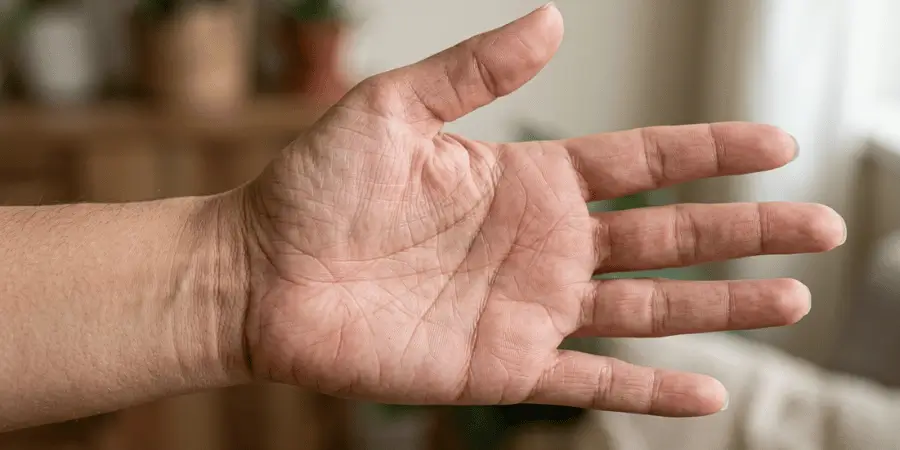
You might notice that your hand gives a quick real-life reference for 4 inches. If you check the width across your palm at the widest point, it usually runs from the knuckle near the forefinger to the one below the pinky finger, without including the thumb.
This area works well for most people with average sized hands, often linked to a height around 5 feet or a bit more. Those with small hands may notice a slight difference, but it still gives you a useful visual estimate.
3. Golf Tees
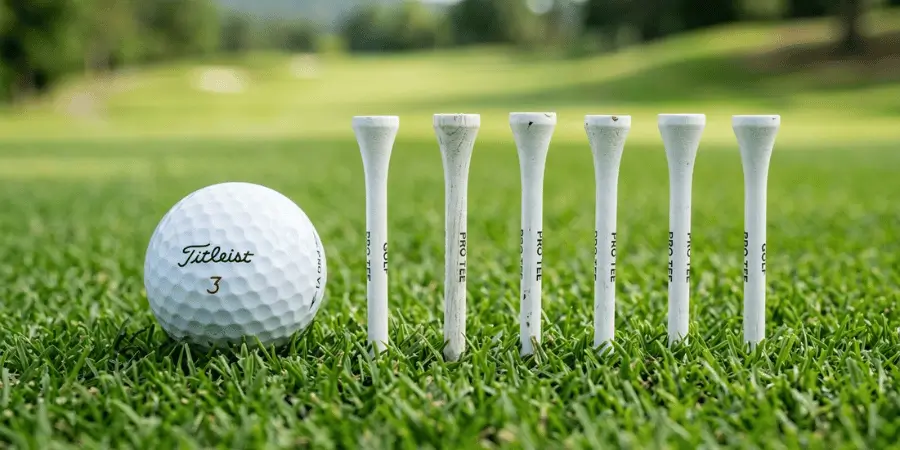
You might not always carry a ruler, but you can still estimate size using everyday items like a golf tee. On the greens, you often see clubs, a ball, and a small tee pushed into the ground to stand the ball.
From my own experience, I’ve noticed the standard tee is around 2.125 in, which is close to the average of about 2 inches. So if you take a pair or two tees and place them together, you get roughly 4 inches.
This trick is surprisingly handy when you lack a proper tool. Some tees can start at one inch and go to a maximum size that feels quite large, but using the more old and common size works best. By placing or even double aligning them, you can quickly judge how long something is without overthinking your setup.
4. One and a Half Baseballs
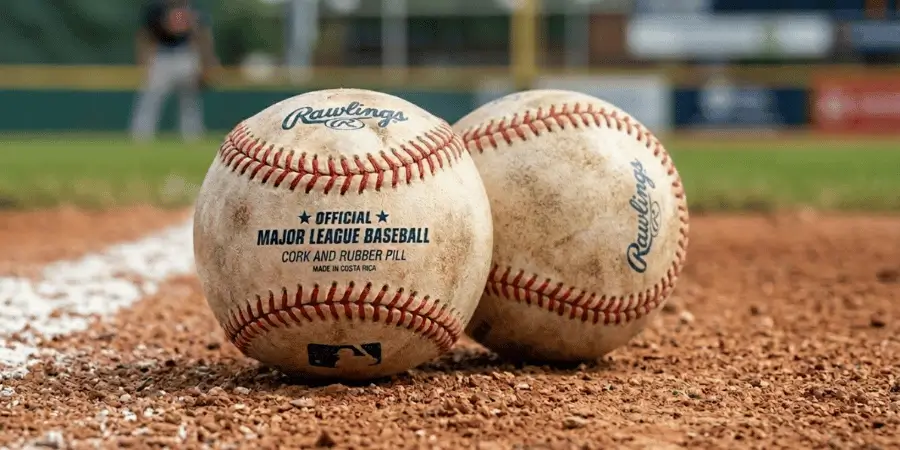
Picture half baseballs from America’s Pastime as a quick reference to understand four-inch objects. As one of many baseball fans, you already recognize the standardized size and diameter of this familiar equipment, which is about 2.86 to 2.94 inches.
It stays within a small range of units, typically ranging under three inches. So combining one and a half gives a close estimate of overall size. This conversion feels easy to relate to your childhood experiences and real-life sports examples. It turns this simple point into something with clear everyday relevance for visualizing something so common.
5. 2 Tennis Ball
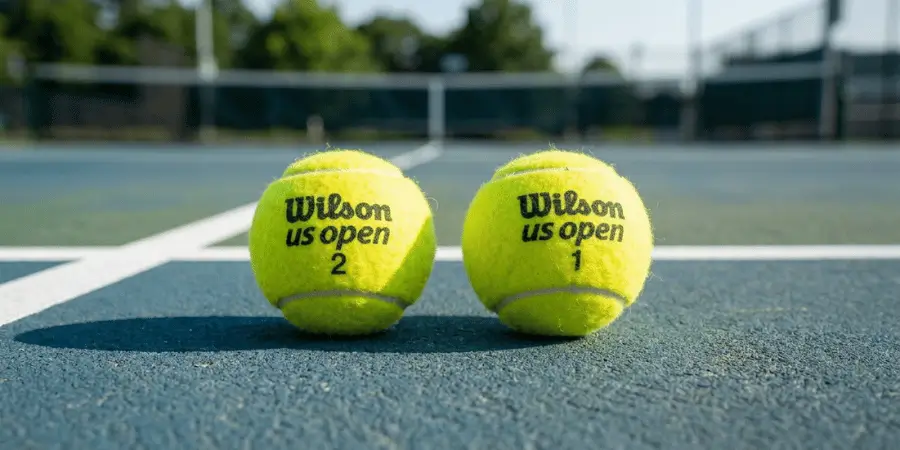
You might not always have a ruler. But you can still gauge the size of small objects around your house using a tennis ball. It is quite handy in everyday life. Its length is usually ranging from 2.6 inches to 2.7 inches.
You can compare different items easily. By stacking two balls, you get close to 5 inches. This makes it a practical way to estimate using familiar sports items from play.
6. Popsicle Stick
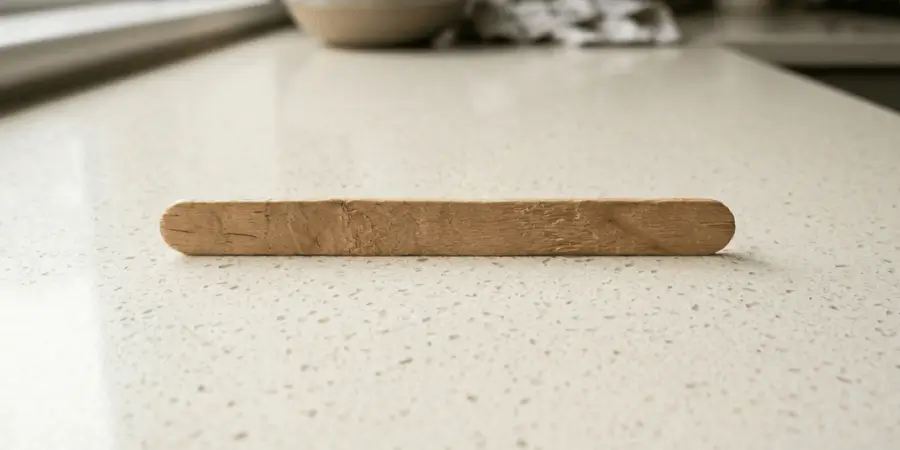
On a hot day, you reach for a tasty popsicle. It feels like a simple snack and a refreshing icy treat. From experience, you start to notice it can also be useful. A typical popsicle stick measures around 4.5 inches long, making it helpful when you need a fast way to estimate the size of small objects.
Rather than grabbing a ruler every time, you can compare items against it to get a general idea of their length. While the measurement may not be exact, it works surprisingly well for simple everyday tasks. Even small frozen goodies can quietly turn into something practical.
7. Standard Brick ( Half )
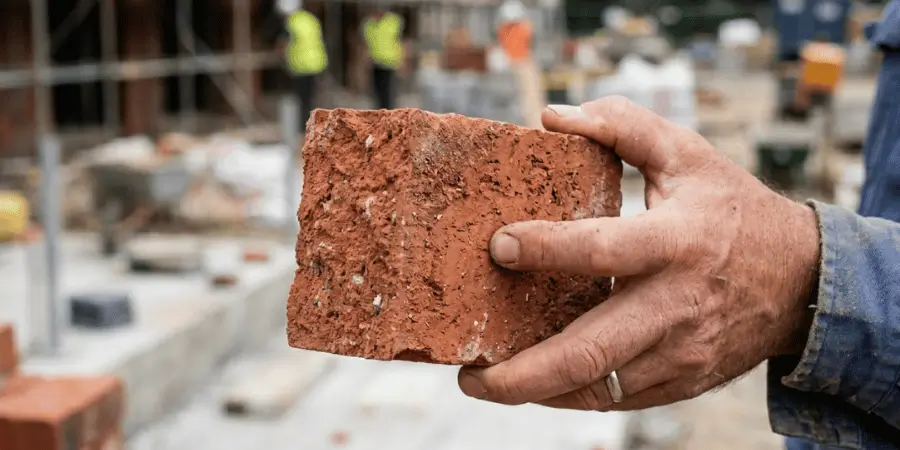
A standard brick produced by manufacturers in America measures 8 inches in length, meaning its half sits right at 4 inches. You probably never thought of a brick as a measuring tool, but that half-size piece is surprisingly useful in everyday building and interior decor projects.
Need a quick reference for small objects or spaces? This simple solution is right there in your hands. Its functionality goes beyond standard purposes, showcasing how ordinary materials can serve multiple roles with effortless simplicity.
8. Soda Cans
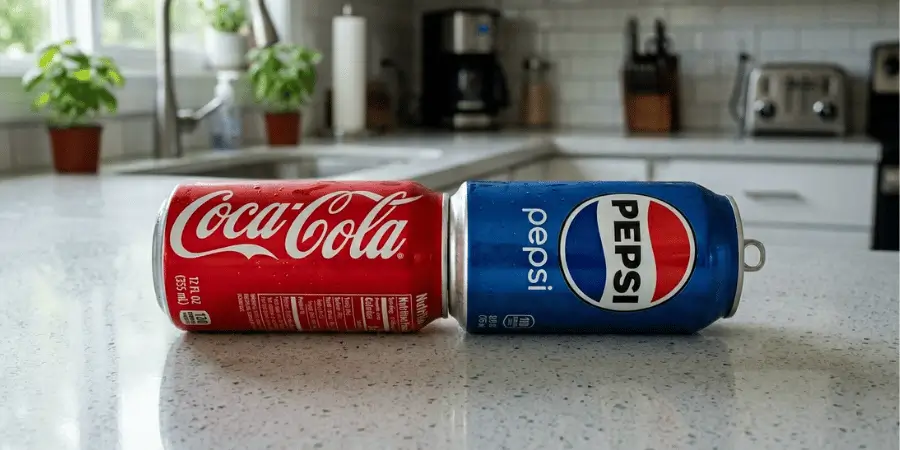
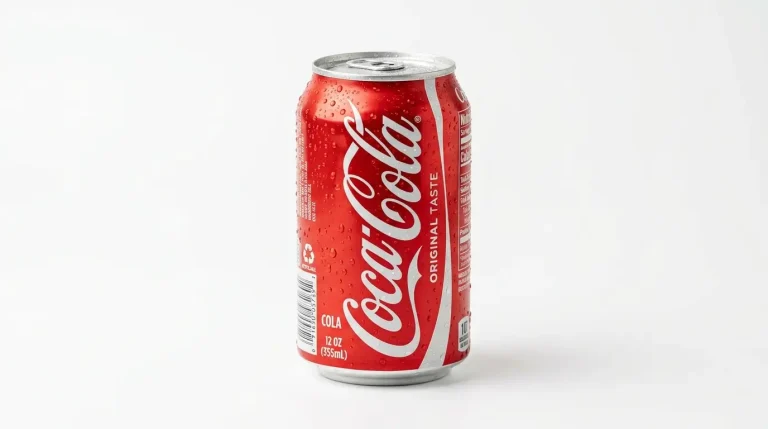
Grabbing a 12-ounce aluminum soda can is something most of us do daily, but here is a fun trick to estimate four inches using one. These cylindrical beverage containers are common and available in most places. The diameter at the lids sits around 2.13 inches, while the widest part reaches 2.6 inches.
Place two cans side by side and use one full width plus half the other as your reference, and you land almost exactly at four inches. It is a surprisingly reliable standard trick once you try it yourself.
9. Four US Quarters
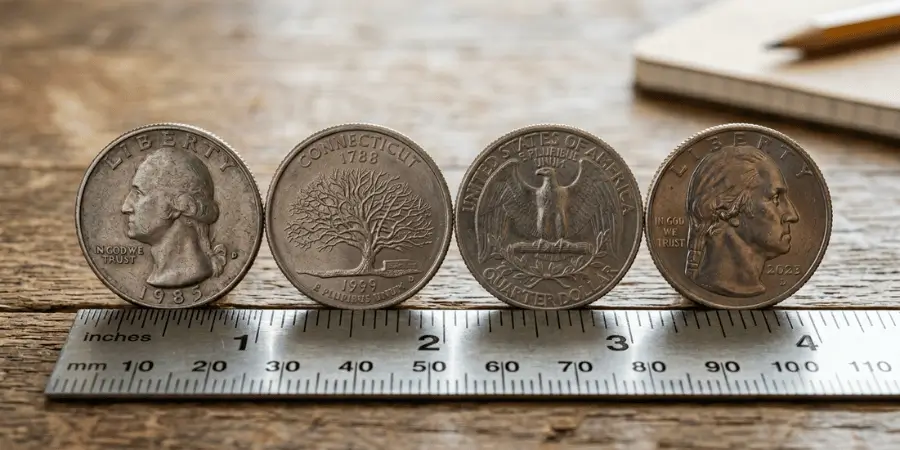
In everyday life, you might not always have a ruler, but you can still get a rough idea of 4 inches using something simple like Quarters from your pockets. Try placing four coins in a straight row, and you will notice how this example actually works in a real situation where you need a quick estimate.
Each 25 cent coin has a diameter that is close to 1 inch, more precisely around 0.955 inches, so lining them up gives you about 3.82 inches, which is nearly the size you need. If you carefully position them, you will see how this small trick helps you understand how big an inch really is without any tools.
10. Highlighter
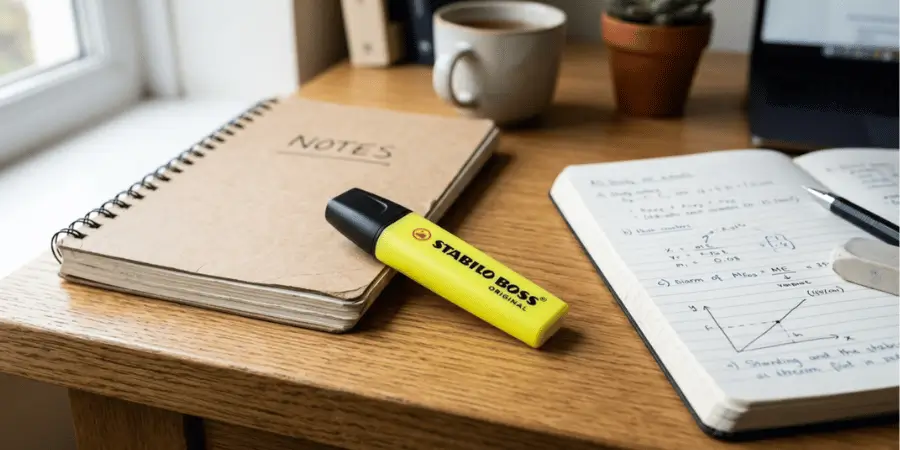
You often notice how students and professionals rely on highlighters and markers during education, and the familiar standard size feels natural in your hand; without the cap, they are about 3.5 to 4 inches long. With the caps on, they usually extend closer to a 4-inch range or slightly more around 4 to 4.5 inches.
This portable design, including secure caps, helps protect the ink from drying, so you always have a simple measuring reference with you.
11. Large Sticky Notes
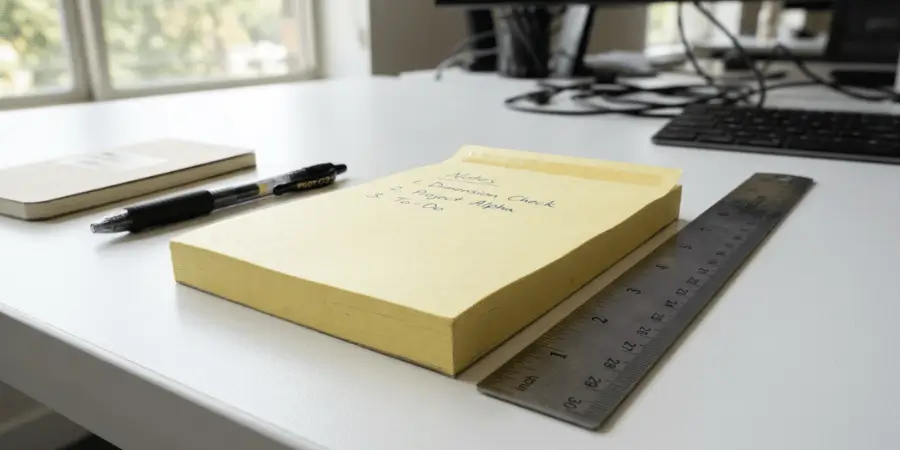
You will notice in your office that larger Post-It notes with a 4-inch width feel far more useful than the standard 3 inch x 3 inch size. These sticky staples are often seen on desks because they provide enough space for writing clear reminders and improve your organization.
Their wide design and exactly 4 inches of width make them easy to use for daily tasks, whether you are making a quick note or exploring different varieties of notes that come in other inches but still rely on that practical size.
12. Standard Playing Card

You might not always carry a ruler, but you can still estimate sizes using something familiar like cards from your favorite games such as Poker, Bridge, Solitaire, and Rummy. A standard playing card becomes a surprisingly practical tool for a quick gauge when you need to compare size on the spot.
From my own experience, I’ve used one during casual entertainment moments to check small objects, relying on its known height of 3.5 inches and width of 2.5, which makes it a handy reference without needing any dedicated device. This simple trick shows the adaptability of everyday items and how easily you can turn them into something useful beyond their original purpose.
Final Thoughts
Looking at everyday objects of a similar size helps put measurements into a clear, practical perspective. From the width of an adult palm to the length of a highlighter or a standard playing card, this common length appears more often than we notice in daily life. Items like two credit cards placed end to end, a couple of tennis balls, or even a small stack of sticky notes all give a relatable sense of scale.
By comparing familiar things such as golf tees, soda cans, or popsicle sticks, it becomes easier to visualize and estimate 4 inches without needing a ruler, making it a useful reference point in both casual and practical situations.