Most people reach for a ruler only when they truly need one. But everyday objects around you already hold precise size clues. From a book spine to a specific measurement, knowing a few familiar sizes makes shopping online, packing a bag, fitting items into drawers, and judging space surprisingly effortless.
This quick guide turns abstract numbers into real life estimates you can actually visualize. Keep these references close and they will help you work smarter every single day without effort.
How Long Is 11 Inches?
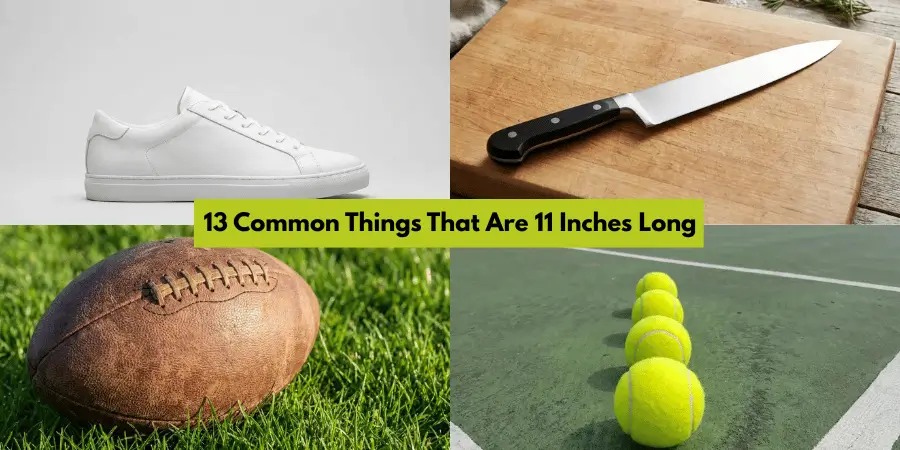
Eleven inches spans roughly the length of a standard ruler, a letter-size paper sheet, or five pool balls lined up. It matches a size 11 men’s shoe, 11 bottle caps, or two iPhone 13 Mini phones end to end. A chef’s knife, laptop keyboard, or hardcover novel all sit within this same range. Once you spot these references, this measurement clicks instantly.
11 inches = 27.94 cm = 279.4 mm = 0.92 feet = 0.2794 meters = 0.3056 yards
Things That Are 11 Inches Long (Quick List)
- US Letter Size Paper
- A Standard Ruler
- Size 11 Men’s Shoes
- Five Pool Balls in a Row
- 11 Paper Clips Lined Up
- 11 Bottle Caps in a Row
- 11 Hockey Pucks Stacked
- 4 Tennis Balls End to End
- Two iPhone 13 Mini Phones
- A Regulation American Football
- A Large Kitchen Knife
- A Hardcover Novel
- A Standard Laptop Keyboard Width
1. A Letter-Size Paper
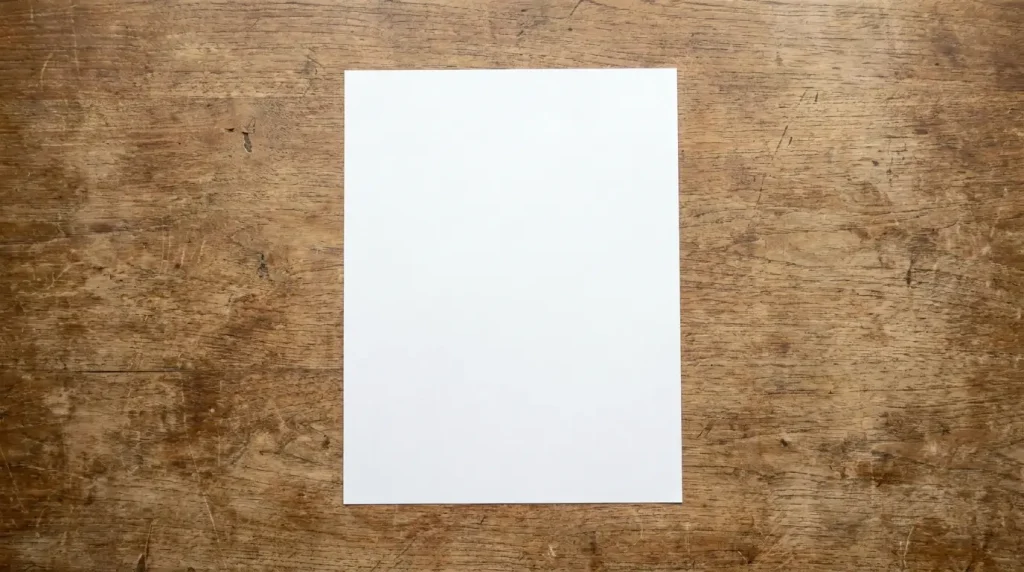
US Letter paper is the gold standard for printing and organizing documents across North America. Its length measures precisely 11 inches, making it one of the most familiar sizes in homes and offices. Every time you load a printer, you’re handling an accurate 11-inch example without realizing it.
For crafting projects or visualizing dimensions, this standard sheet offers an immediate answer. Need to check medium-sized objects? Hold letter-size paper against them
2. A Standard Ruler
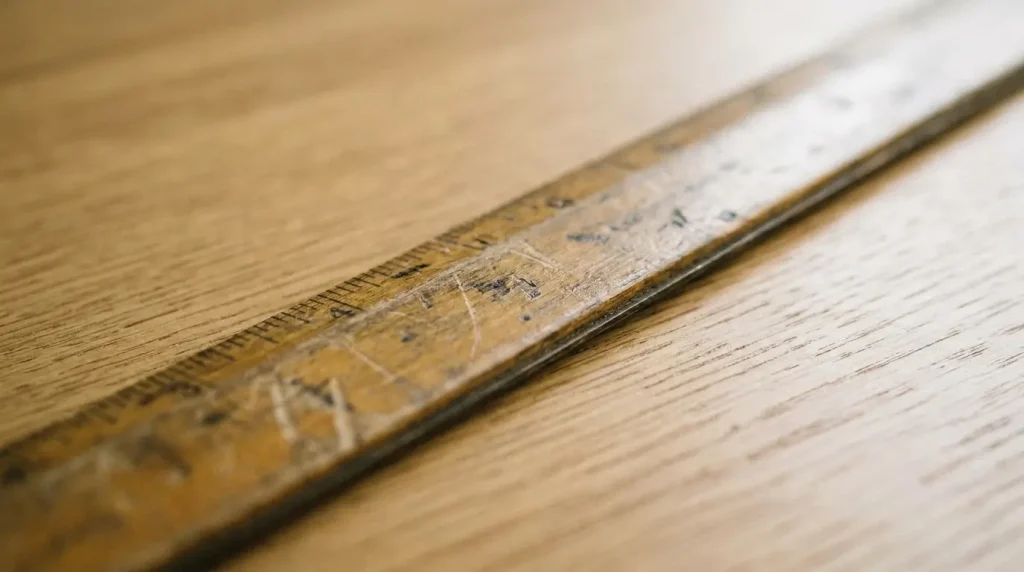
A standard ruler sits just one inch shorter than a 12-inch foot. That single one inch gap means it covers 11/12ths of a full scale, reaching about 90% of a complete foot. Place it beside a sheet of paper or a small tablet and the size difference becomes instantly clear.
Most people never stop to compare a ruler against familiar objects, yet this simple visual exercise builds a strong reference for length.
3. Size 11 Men’s Shoes
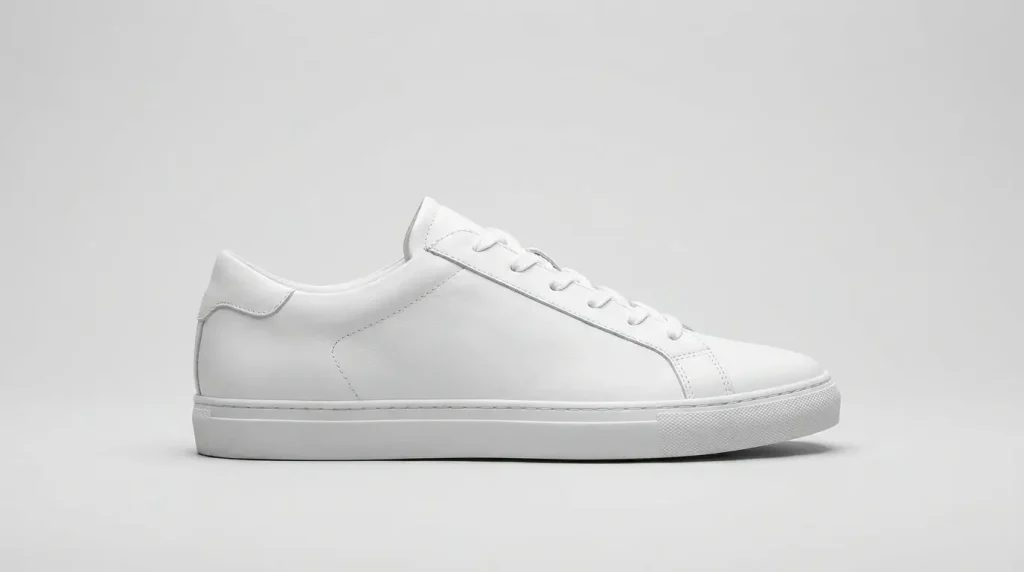
Size 11 men’s shoes offer a surprisingly reliable measuring reference for everyday use. The footwear length in US sizing stays remarkably consistent across brand and style, whether casual sneakers or formal dress shoes built for everyday wear.
Most people don’t realize their shoe doubles as a visual boundary anchor for quick comparisons. Hold any size 11 shoe flat and it gives you an instant feel for scale without needing a ruler.
4. Five Pool Balls in a Straight Line
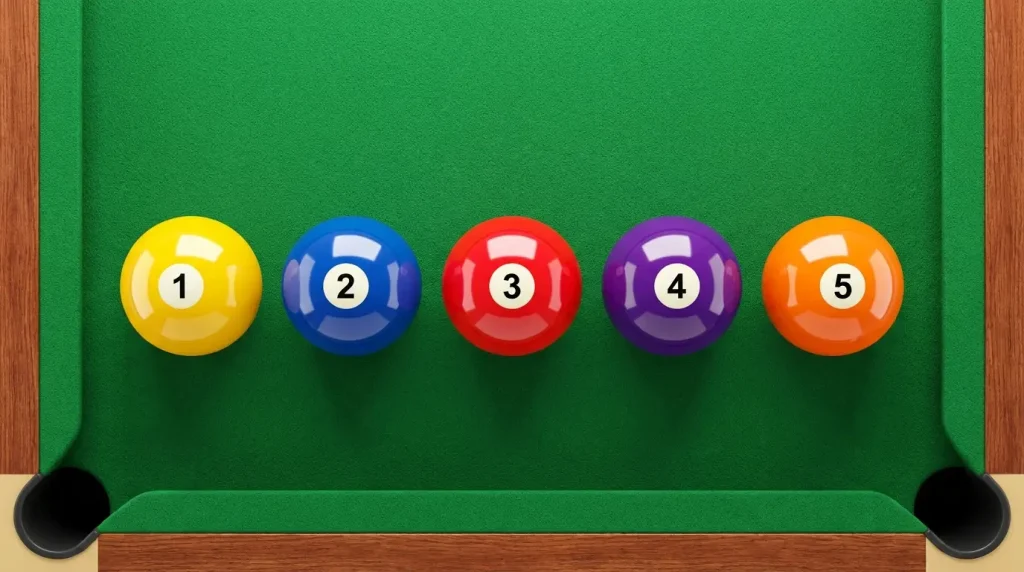
Pool balls are among the most reliable tangible objects for understanding length. Each American billiard orb carries a diameter of 2.25 inches or 57.2 mm. Arrange five in a straight line on a pool table and their combined length hits 11.25 inches, sitting just past your target. This makes them a practical real-world lesson in measurement without needing any tool.
For anyone who spends time in game rooms, this visual trick turns a pool game into a fun geometry exercise. Colorful solid orbs make everyday life comparisons both tangible and memorable.
5. 11 Paper Clips Lined Up
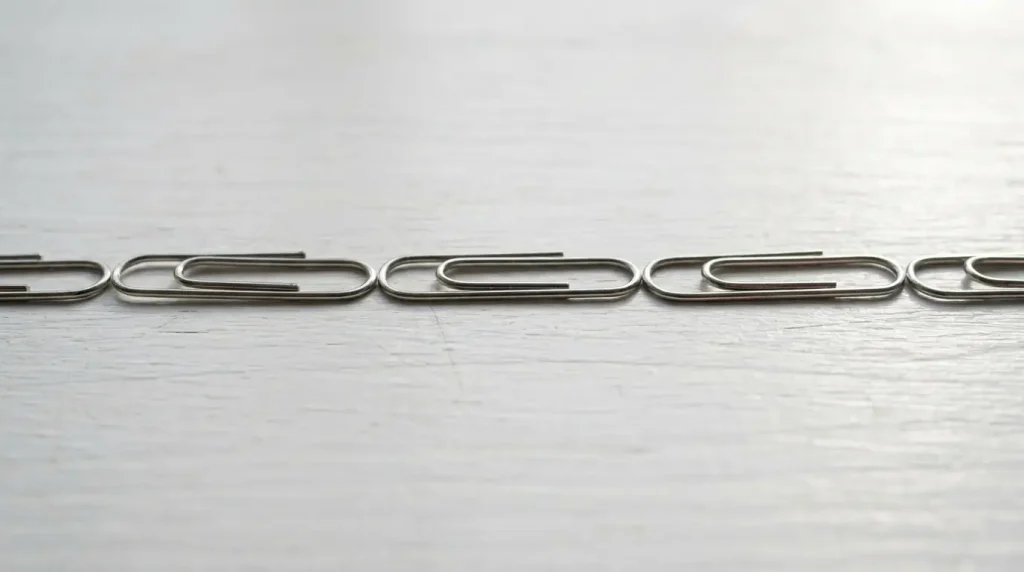
A standard-size paper clip measures exactly 1 inch in length, making it one of the most common desk tools that doubles as a ruler. Line up 11 in a straight lineup and you get a near-perfect measure.
Beyond the standard 1-inch variety, there are 2-inch large clips and 3.5-inch jumbo options in various sizes. For practical use, the metal bendable clips work best when placed side by side on a flat surface.
6. 11 Bottle Caps in a Row
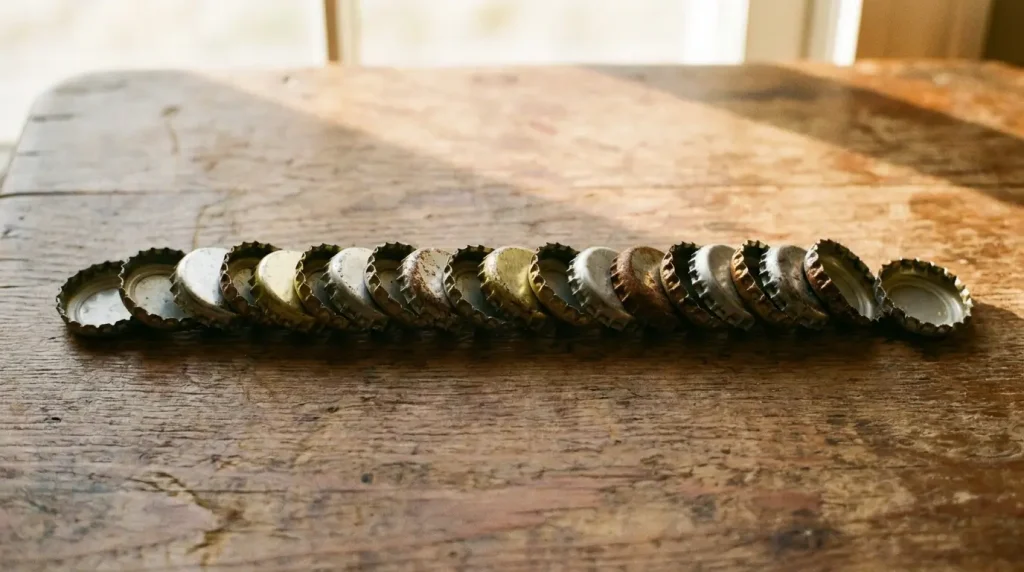
A beer bottle cap measures exactly 1 inch in diameter or 25.4 mm, making bottle caps one of the most accessible household measuring references around.
Line 11 crimped caps end to end across a flat surface like a shelf or table and their combined space matches your target length with surprisingly accurate results.
Whether metal or plastic, caps from soda and beverage bottles stay standard in size across the US.
7. 11 Hockey Pucks Stacked
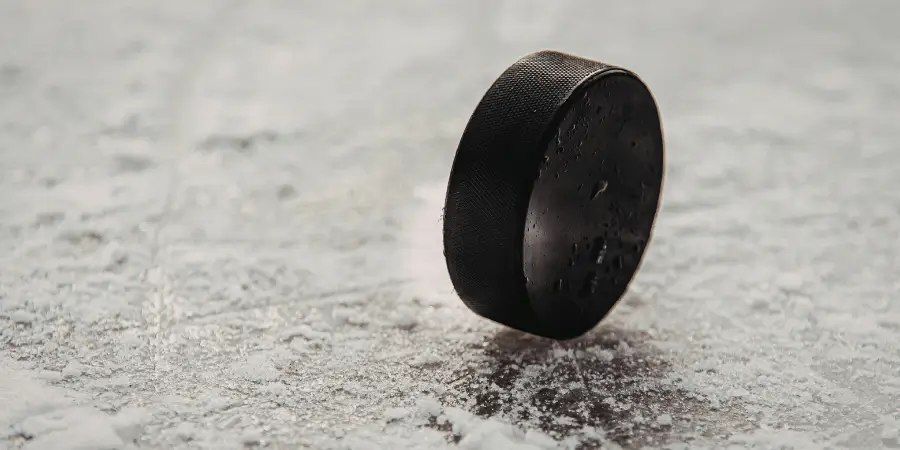
Ice hockey discs are built to exact uniform specifications every time. Each round puck carries a thickness of 1 inch or 25.4 mm and a diameter of 3 inches or 76.2 mm. Stack 11 of them and the total height hits 11 inches with precisely solid consistency. This makes them among the most dependable repeatable sports equipment for measuring.
Place the stack on a bench or table and both athletes and hobbyists can compare objects against it easily. The uniform shape and sized dimension make hockey pucks a genuinely practical reference that requires no calibration whatsoever.
8. 4 Tennis Balls End to End
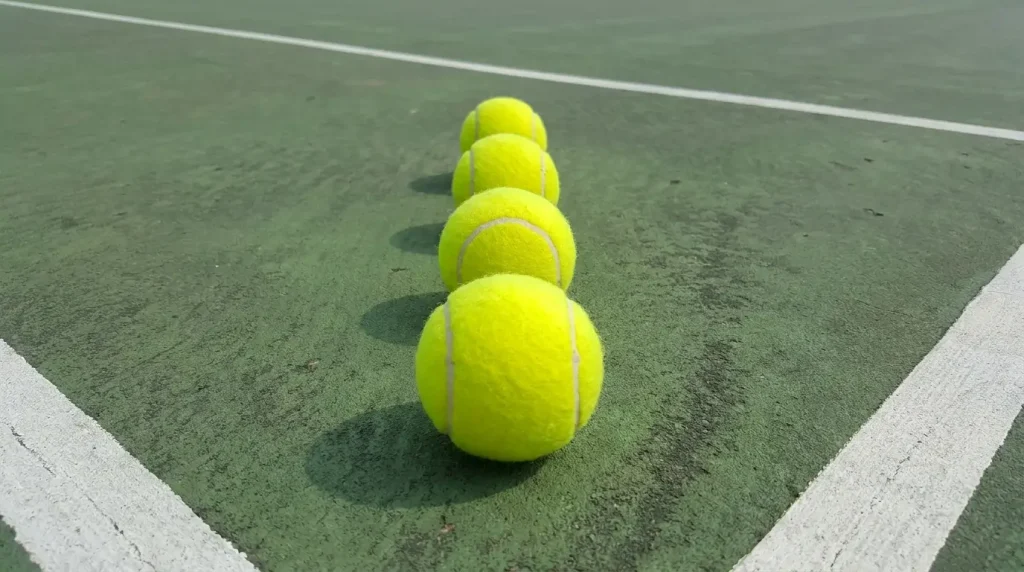
Standard tennis balls carry a diameter between 2.57 and 2.70 inches, averaging around 2.7 inches per ball. Line up 4 end to end and the total reaches roughly 10.8 inches, sitting just shy of the mark.
For visual learners, this rounded shape makes length feel more memorable than flat tools. The stacking approach works well as a benchmark for both kids and adults during hands-on learning.
9. Two iPhone 13 Mini Phones
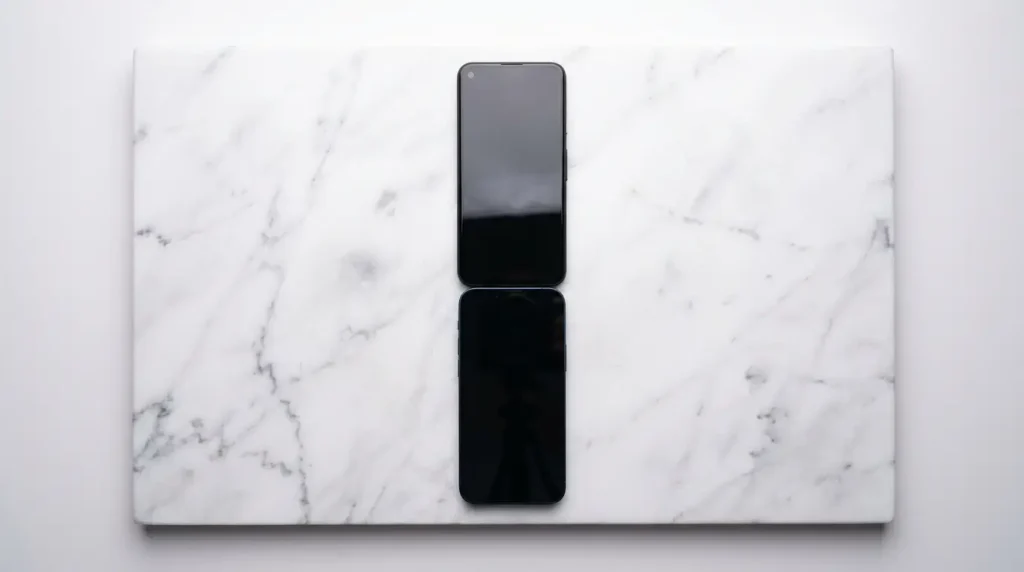
The iPhone 13 Mini earned its reputation as a compact yet powerful pocket-friendly device. Its screen measures 5.4 inches with a total length of 137.16 mm. Place two end to end and you reach 10.8 inches, sitting remarkably close to an 11-inch span.
The discontinued iPhone 13 measured 5.78 inches at 146.7 mm, while the iPhone 12 ran slimmer at 7.4 mm in depth. For visualizing real-world dimensions, these smartphones make an incredibly relatable reference.
The thickness sits at 7.65 mm, and diagonally the size reaches 11.56 inches, making estimate comparisons for objects genuinely straightforward.
10. Regulation American Football
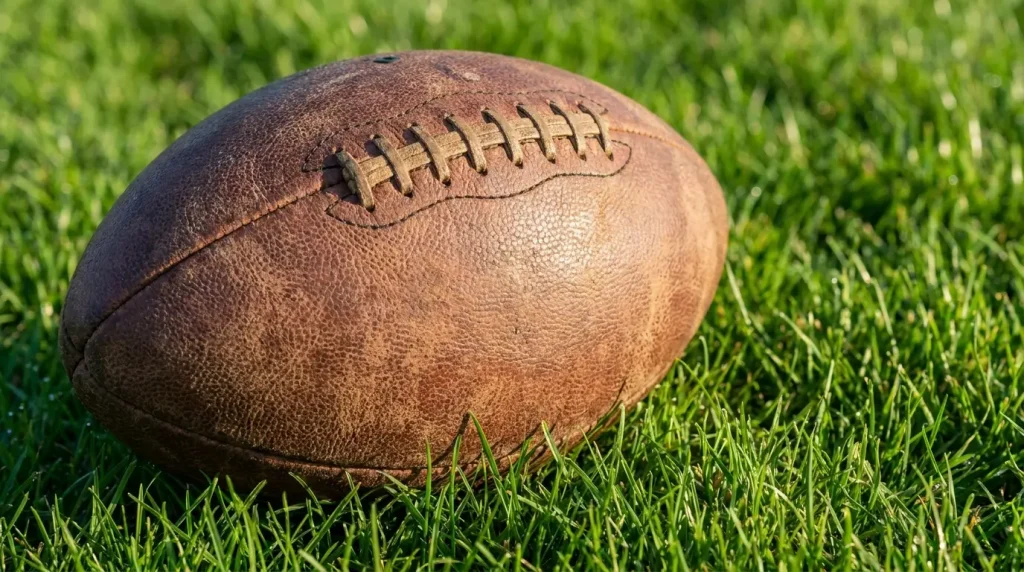
An NFL American football measures eleven inches tip to tip along its oval body. Gripping it allows you to physically feel this length in a way that a flat ruler simply cannot convey. The size fits naturally in one hand, making spatial comparison feel instinctive rather than calculated.
Athletes use the ball’s 11-inch measure as a mental desk reference when visualize-ing sports distances and space proportions. Few everyday objects combine this level of tactile familiarity with geometric precision.
11. A Large Kitchen Knife
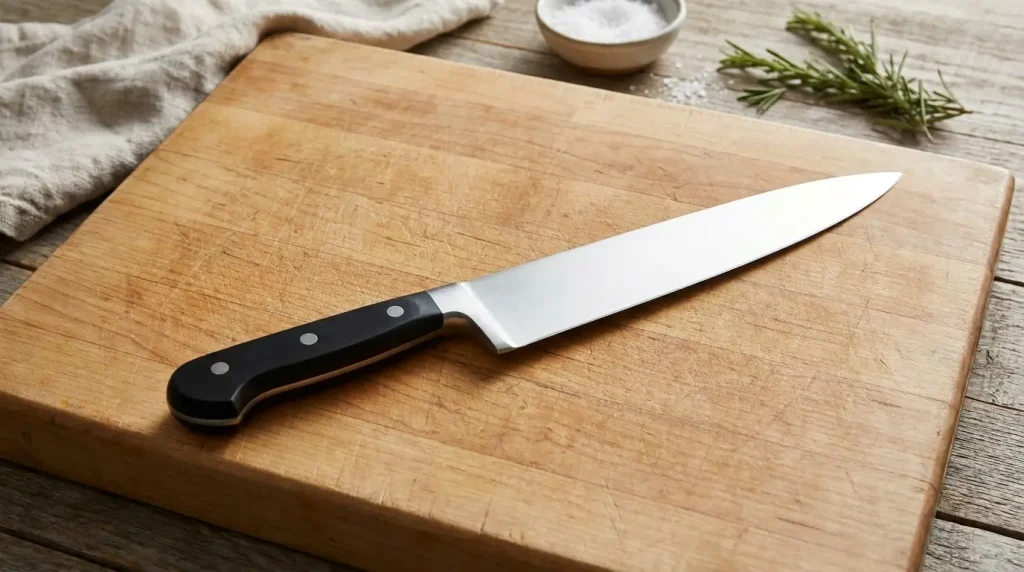
A chef’s knife is one of the most visible tools in any kitchen, and its length from handle to tip tells you a lot about its purpose.
Most full-size kitchen knife blades are built for slicing vegetables, carving meat, and chopping herbs across cutting boards with confident control. The 11 inches span covers large ingredients without requiring awkward repositioning mid-cut.
12. A Hardcover Novel

A hardcover novel standing tall on a shelf gives you one of the most familiar visual references for length in any home. Most textbooks and substantial hardbound books reach 11 inches in height, with straight edges that make quick comparisons effortless.
Unlike paperbacks which vary widely, hardcovers follow a solid and dependable sizing pattern. Run your eye along any well-stocked bookshelf and the reference becomes immediately obvious.
13. A Standard Laptop Keyboard Width
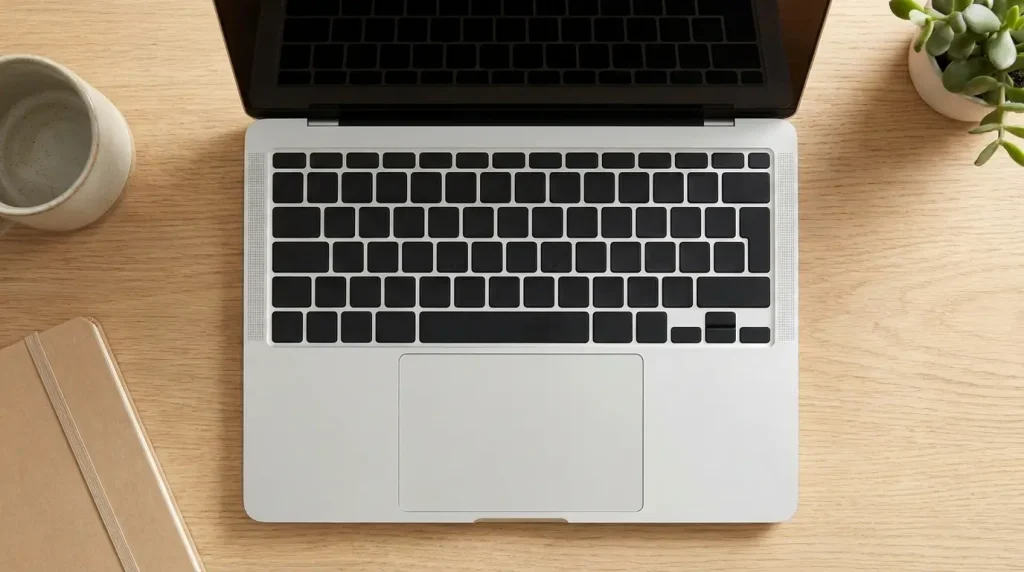
A laptop keyboard spans roughly 11 inches from left to right, covering the full typing zone comfortably. Take the Surface Pro 13 as a real example, its keyboard measures 11.38 inches or 289 mm wide. The MacBook Air and MacBook Pro 13 inch models come in at 10.98 inches or 27.9 cm, sitting just under the mark.
This span is engineered to match natural hand positioning for comfortable reach without straining. The width directly shapes speed and comfort during long desk sessions
Final Thoughts
Once you picture eleven inches through real-life examples, estimation becomes second nature. A standard ruler, sheet of paper, or tape measure already at home gives the clearest answer instantly. Think about paper clips, hockey pucks, or men’s shoes and these mental anchors quietly build your spatial awareness.
Even a football or worn shoe works as a reliable benchmark. The goal isn’t memorizing endless comparisons but growing a personal mental toolbox of relatable objects.
These visual shortcuts help you make faster, smarter decisions anywhere. Whether shopping or when travels take you somewhere without a measuring tool, just look around and compare.
Faq’s
What Is 11 Inches in Centimeters?
When converted to the metric system, an 11-inch measurement comes to 27.94 cm, or 279.4 mm. To convert, multiply any inch value by 2.54.
How Much Is 11 Inches In Feet?
11 inches equals 0.92 feet, which is just shy of a single foot. It is approximately 92% of one complete foot, falling just one inch short of the 12-inch mark.
Which Everyday Items Measure Around 11 Inches Long?
Several everyday objects naturally measure close to 11 inches:
- US Letter paper length
- A size 11 men’s shoe
- 11 paper clips lined up
- Five pool balls in a straight line
- 11 bottle caps end to end
- A ruler sits just one inch beyond it
Is 11 Inches Nearly Equal To A Foot?
Yes. At 0.92 feet, 11 inches sits very close to a full foot. The distance between them is just one inch. For most adults, the gap from elbow crease to wrist bone measures between 10 and 11 inches, though it naturally varies by body part and individual height.
Why Does US Letter Paper Measure 11 Inches In Length?
US paper dates back to the 17th century when Dutch craftsmen made paper molds roughly 44 inches wide. Those large sheets were cut into four equal sheets, each landing at exactly 11 inches in length. That historical standard stuck and remains the norm across North America today.
Does An 11-Inch Pizza Count As Small Or Medium?
An 11-inch pizza falls right between the typical small and medium sizes. Most pizzerias classify it as a personal size or small, since a true medium typically starts at 13 inches. At this size you get roughly 30% less food surface area than a standard medium pie.
How Can You Estimate 11 Inches Without Using A Ruler?
If you have everyday items around you, they can serve as useful measuring references. A typical sheet of US Letter paper measures 11 inches in height. An A3 sheet is 16.5 inches, so two-thirds of it gives you a reliable estimate. You can also line up 11 bottle caps or 4 tennis balls or paper clips in a straight row for a surprisingly accurate result.