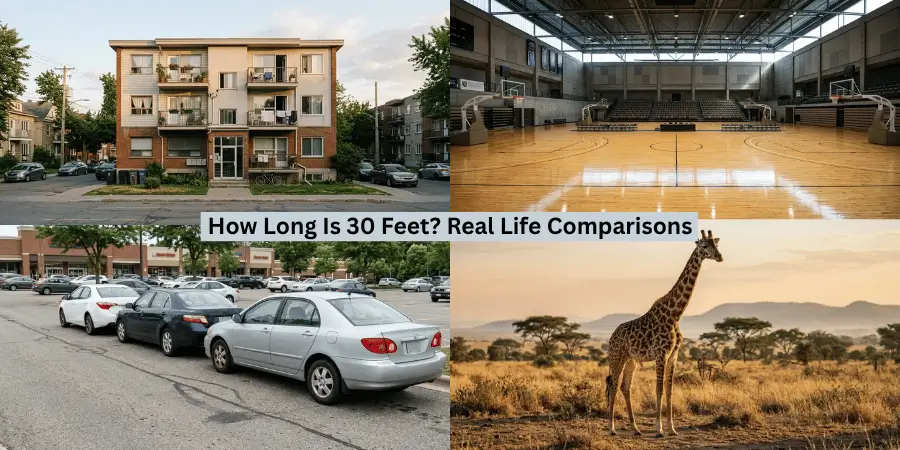
Most people walk past 30 feet daily without registering it. That three-story building nearby, two cars parked bumper-to-bumper, a mature tree in the front yard each one measures this substantial length quietly. For renovation work, designing public areas, or organizing furniture in larger rooms, this measurement becomes surprisingly key.
Familiar objects like vehicles, buildings, and a football end zone create a clear image instantly. More common 30-foot structures surround us than we ever imagine in real life.
How Long Is 30 Feet?
30 feet is one of those measurements that feels abstract until you place it against something real. It spans roughly two and a half times a standard average ceiling, covers the linear distance of six adult humans standing head-to-toe, and takes just 10 seconds to walk at a normal pace.
Used constantly in construction, architectural planning, home remodels, and sports field measurements, this dimension shapes more residential spaces than most realize. Once you own this height comparison mentally, estimating distances across outdoor layouts and building plans becomes second nature.
30 feet = 360 inches = 914 centimeters = 9.14 meters = 10 yards
Things That Are About 30 Feet Long or Tall
- Three-Story Building
- Telephone Pole
- Half a Basketball Court
- School Bus
- Large RV / Motorhome
- Small Yacht or Sailboat
- Extension Ladder
- Half a Bowling Lane
- Two Great White Sharks
- London Double-Decker Bus
- Three Average Cars
- 4.5 Times a Queen Size Bed
- Adult Giraffe
- Five to Six Adults Head-to-Toe
- Semi-Truck Trailer Interior
1. Three-Story Building

A 3-story building stands at exactly 30 feet tall when each floor measures ten feet, accounting for floor thickness and ceiling clearance. This residential and office building standard is deeply embedded in United States building codes.
Urban residents recognize this vertical measurement intuitively; apartment buildings and townhouses in most neighborhoods follow it closely. The floor-to-ceiling distance of 8 to 9-foot ceilings plus structural layers reaches 10 to 12 feet per story in practice. Architectural context shapes everything from renovation plans to ladder sizes.
Read: How Long Is 100 Feet In Real Life
2. Telephone Pole
The telephone pole standing outside most neighborhoods is a quiet but reliable 30 feet benchmark. Standard height for utility poles runs 30 to 40 feet, with 35 feet being most common above ground after installation. These wooden pole structures carry electrical lines, fiber optic cables, telecommunications cables, and telephone wires while supporting transformers, streetlights, and traffic signals.
Technicians who climb them understand the real scale of this height immediately. Beyond basic infrastructure, they manage power lines, TV access, and communication networks across entire cities.
3. Half a Basketball Court (Width)

A regulation basketball court stretches 50 feet wide, placing its exact midpoint at 25 feet just shy of our target by a comfortable margin.
Athletes and sports fans familiar with court dimensions can mentally add a few feet beyond halfcourt to land precisely on this distance. Anyone who has stood playing or watching games at floor level knows how substantial that athletic context feels in person.
4. School Bus
A full-size school bus measures roughly 35 feet in total, making 30 feet about 85% of its complete frame. Mentally removing the back section gives students and parents an instant mobile reference for this distance during daily drop-off and pickup routines.
School districts typically mark bus loading zones at 30-40 feet to allow the yellow bus adequate breathing room during stops. This familiar length is one most people have stood beside without ever measuring. The yellow vehicle parked outside any school is immediately accessible as a mental reference with no tools required.
5. Large RV / Motorhome
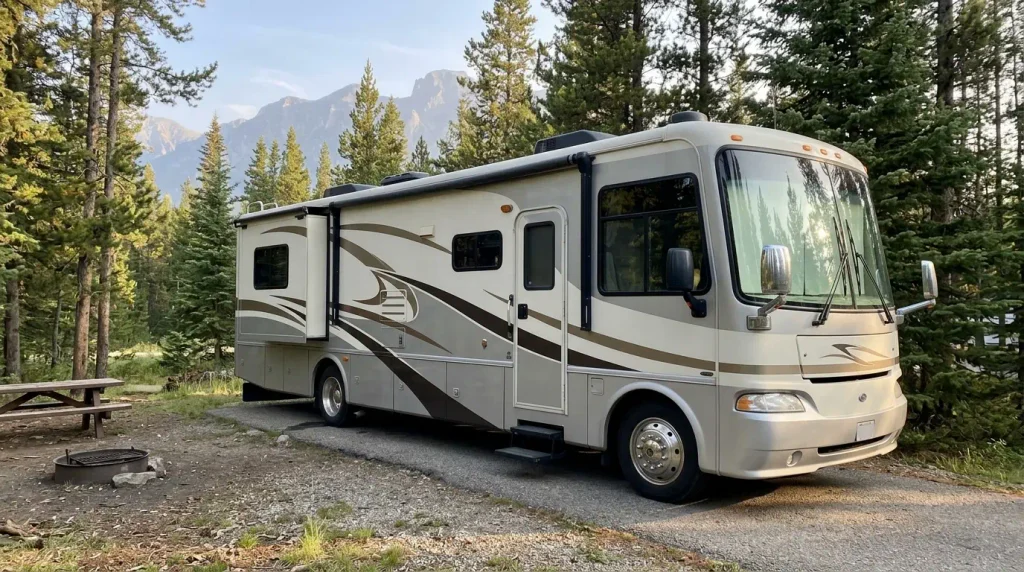
Class A motorhomes sit comfortably within the 26 to 35 feet range, with countless popular models landing at exactly 30 feet. This length balances living space with drivability, offering real amenities without requiring special licensing beyond a standard driver’s permit.
Campers and travelers heading out for summer travel on highways know this size well; it fits most campsite pads and moves through traffic reasonably. Motorhomes of this size include well-designed spaces for sleeping, preparing meals, and relaxing, all without making the interior feel tight or restricted.
Read: How Long Is 50 Feet In Real Life
6. Small Yacht or Sailboat
Serious recreational sailing typically begins right around the 28 to 32 feet hull range. A sailboat or small yacht at this length earns genuine cruising vessels classification no longer a weekend dinghy, not yet a vessel requiring a professional crew.
Marinas treat this mid-size category as their most active segment, with amateur sailors purchasing and chartering these boats more than any other class. The living quarters below deck at this size include practical sleeping and cooking arrangements for multiday passages.
7. Extension Ladder
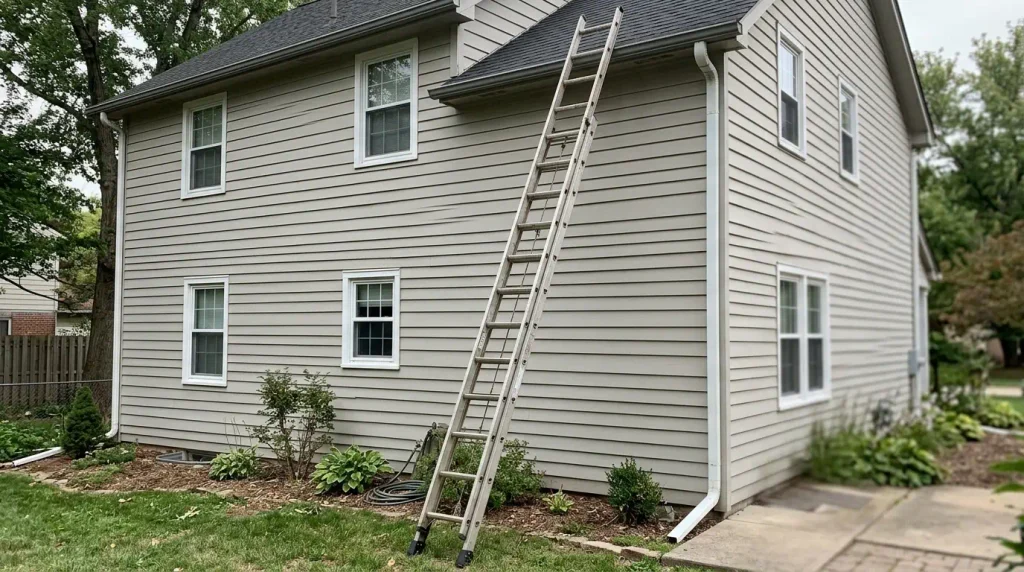
Workers who need access to rooftops and multi-story structures commonly use extension ladders measuring 28 to 32 feet, which are among the most widely available options sold by major retailers like Home Depot and Lowe’s. At fully extended length, these ladders reach exactly the 30-foot height range that covers most houses and small buildings encountered in standard repair and maintenance work.
Construction workers and firefighters both operate within this vertical zone regularly, making the ladder one of the most honest physical representations of 30 feet in the trades. Fire departments trust this reach for residential rescue operations.
8. Half a Bowling Lane
A typical bowling lane stretches 60 feet from the foul line to the headpin, effectively splitting the length into two even halves. That midpoint is where serious bowlers pay closest attention: ball speed, hook timing, and release mechanics are all evaluated against this critical distance.
Professional bowling coaches study mid-lane behavior obsessively because technique and strategy either succeed or collapse right here. The pin deck reaction traces back to decisions made at this halfway point, long before impact.
9. Two Great White Sharks

Great white sharks typically reach 15-16 feet at full adult size. Two placed nose to tail cover this distance with surprising accuracy. Marine biologists track individual sharks across different environments, where precise sizing shapes observations about territorial behaviors and growth patterns.
Natural variation between predators means even small measurement differences matter significantly to researchers. Few animal-based references communicate large distances as immediately and memorably as this particular end to end comparison does.
10. London Double-Decker Bus
The iconic red bus of England the Routemaster measures 27.5 feet, while modern buses stretch to 30-33 feet. Beyond daily commuting, this double-decker bus has become a genuine tourist attraction, appearing in movies and pop culture worldwide.
Tourists and filmgoers recognize it instantly, making London bus length one of the most globally familiar distance references. Public transportation rarely doubles as a measurement benchmark, yet this iconic vehicle does exactly that on city streets. For visualizing this distance, the London bus remains unmatched as a real-world scale reference.
11. Three Average Cars
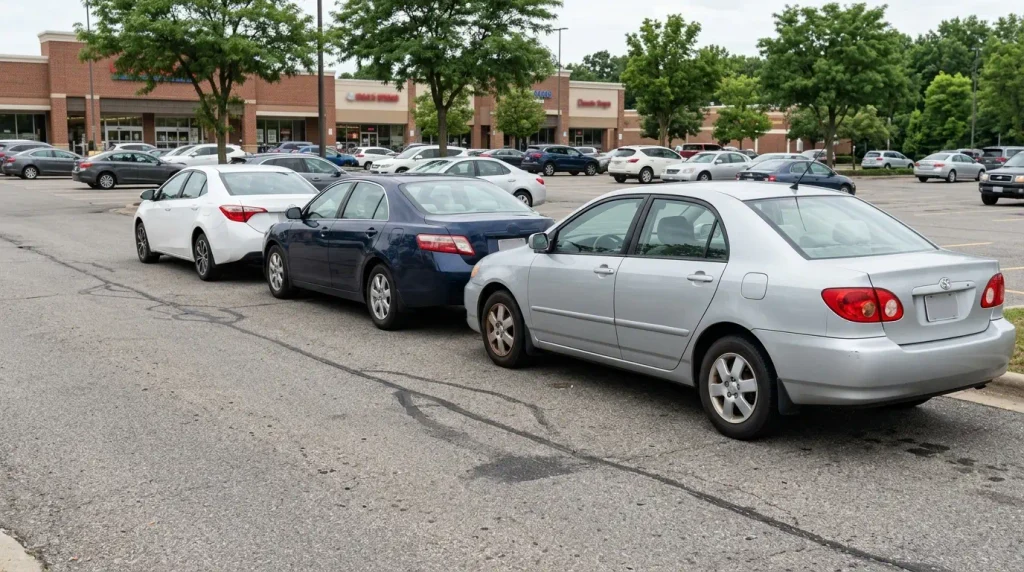
Most sedans stretch somewhere between 14 and 16 feet when measured from front to back. Park two to three vehicles tightly bumper-to-bumper across any parking lot and the combined length lands remarkably close to this benchmark distance.
Drivers encounter parked cars daily on streets and in lots, making this one of the most instinctive horizontal distance references available without any tools. Unlike abstract comparisons, three average cars lined up represent something every driver has physically navigated around
12. 4.5 Times a Queen Size Bed
A standard queen size bed runs 80 inches exactly 6 feet 8 inches making it one of the most accessible indoor measuring references. Line up queen-size beds end to end at 4.5 times that length and you reach 360 inches total.
That translates directly into this target measurement across any bedroom or master suite.
Industries from construction to transportation and other large-scale industries regularly work within this range when planning larger-scale spaces.
13. Adult Giraffe (Almost Two)

A fully grown male giraffe typically reaches a height of about 16 to 18 feet, making it a naturally towering and eye-catching animal. Stack one and three-quarters of these animals vertically and the combined height reaches 32-36 feet, bracketing this target distance precisely.
30 feet sits comfortably within that range, making the giraffe one of the most visually striking animal-based references in measurement conversations.
14. Five to Six Adults Head-to-Toe
Lay five to six adults flat, head-to-toe, each standing between 5 feet 4 inches and 5 feet 9 inches tall, and the human chain stretches across this entire measurement naturally. This body-based reference works in construction, on athletic fields, and during emergency situations where visual estimates matter most.
In many team sports and group settings, people naturally arrange themselves in similar head-to-toe lines without even thinking about it. Unlike object-based comparisons, the human height reference feels genuinely tangible and memorable because it requires no props, just people.
15. Semi-Truck Trailer Interior

Although a typical 53-foot trailer provides about 52 feet of usable space inside, the more widely used 48-foot trailers and most box trucks usually offer around 30 feet of actual cargo length.
Every time an 18-wheeler rolls past on the highway, that trailer interior quietly represents this benchmark distance. Freight professionals working inside these spaces develop an instinctive feel for this measurement without ever consulting a tape measure.
How 30 Feet Measures Up Against Other Everyday Distances
This distance equals exactly one-third of a 100-foot lot common across suburban homes, and one-tenth of a full regulation running track spanning 300 feet. On a football field, ten yards covers three potential first downs in the same span.
Vertically, it rises three times higher than a standard NBA basket and closely matches a mature oak tree at full growth in a typical front yard. It clears most house roofs sitting between 22-28 feet yet stays well below a city billboard at 48 feet. This genuinely in-between size appears constantly across sports fields, architecture, and everyday distances without ever feeling extreme.
Why Knowing What 30 Feet Looks Like Is Useful in Daily Life
Professionals such as builders, property agents, and emergency responders regularly rely on these measurements in their daily work. Misjudging this distance costs real money and time parking an RV in an undersized spot, ordering wrong fencing for gardens or patios, or misjudging ceiling heights during home improvement projects.
Spatial awareness at this scale directly improves furniture placement, paint needs, yard distances, and garage fit. Boat lengths, trailer lengths, and vehicle purchases all hinge on accurately reading this measurement.
Property evaluation, lot dimensions, and real estate decisions shift meaningfully when buyers can visualize room dimensions without relying entirely on printed parking requirements or landscaping plans provided by agents.
Faq’s
How tall is a 30-foot building in terms of stories?
Each story in a residential building typically accounts for 10 feet, covering floor thickness and ceiling height together. Stack three and you hit exactly 30 feet. Commercial buildings running higher ceilings occasionally fall closer to 2 to 2.5 stories within the same span.
How does 30 feet compare to a person’s height?
Most adults measure between 5.5 to 6 feet tall, making this distance nearly five times taller than a single person. Picture 5 to 6 average adults stretched head-to-toe across the floor that chain covers it almost perfectly.
What does 32 feet look like visually?
Two feet beyond our benchmark barely registers visually. A large RV, a small bus, or 5.5 adults lying flat head-to-toe all represent 32 feet accurately. A standard school bus without its rear equipment also falls within this window.
How much is 30 feet in meters?
Punch it into any converter and 9.14 meters appears instantly. That same figure reads as 914 centimeters or 0.00914 kilometers in the metric system, the standard reference used across international building plans and engineering specifications globally.
How many inches are in 30 feet?
Multiply twelve by thirty and 360 inches is your answer. Every foot carries exactly 12 inches, so this calculation never changes. Tradespeople working from detailed building plans rely on this figure constantly when precision matters most.
What does one foot look like in real life?
Glance at a standard ruler sitting on any desk that has an exact span of one foot. Your forearm from wrist to elbow, or a typical adult shoe from heel to toe, both approximate this length naturally without any measuring tools needed.
What does a 30 square foot space look like?
Picture a 5 ft by 6 ft rectangle on your floor. That footprint matches a small closet or compact storage space in most homes. It feels noticeably limited for movement but handles single-purpose utility functions without any issue practically.
How can you estimate 30 feet without using a tape measure?
Count ten big adult steps moving forward; each walking stride naturally covers around 3 feet. A Ford F-150 or Chevy Silverado at 19 to 23 feet plus roughly half another vehicle parked nose-to-tail delivers an accurate 30-foot distance visualization instantly.
Which common vehicles measure around 30 feet in length?
Class A motorhomes, mid-size RVs, and the London bus all sit naturally within this range. Most semi-truck trailers and box trucks match it internally. A school bus trimmed of its back section rounds out this practical vehicles reference list.