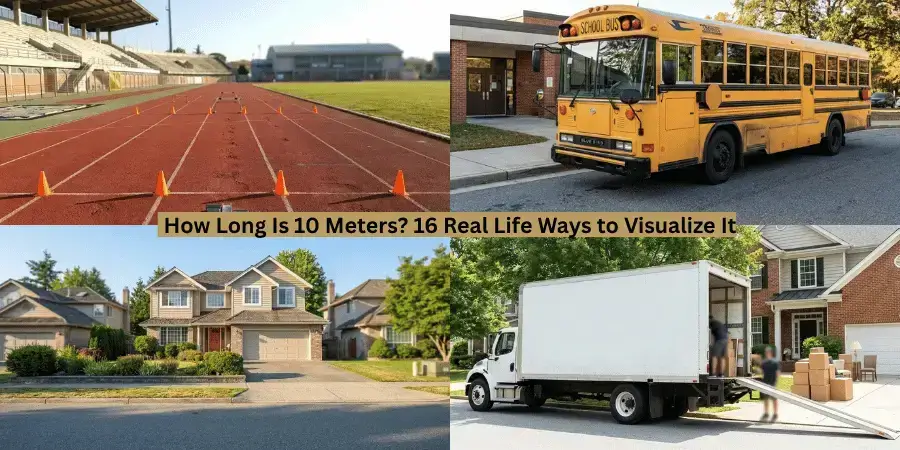
Most people hear 10 meters and draw a complete blank. No instant image, no reliable reference point, nothing to anchor the number to everyday life. Yet this significant measurement hides in plain sight in the vehicles passing your window, the buildings on your street, the sports you watch, and the construction happening around you.
Once you know what 32.8 feet actually looks like through common 10-meter objects, estimating distance becomes second nature.
How Long Is 10 Meters?
10 meters equals 32.81 feet and sits comfortably within the range of a standard yellow school bus, the height of a three-story building, the length of a tenpin bowling lane to the pin deck, or the towering stance of a utility pole lining your street. .
10 meters = 393.7 inches = 1000 cm = 32.81 feet = 10.94 yards
Things That Are About 10 Meters Long or Tall
- Yellow school bus
- Olympic diving platform
- London double decker bus
- Two story building
- Telephone or utility pole
- Bowling lane
- 10 meter sprint lane
- Large crocodile
- Two sedan cars end to end
- Fire truck ladder
- Giraffe
- Netball court goal third
- Large moving truck
- Soccer penalty arc
1. Yellow School Bus
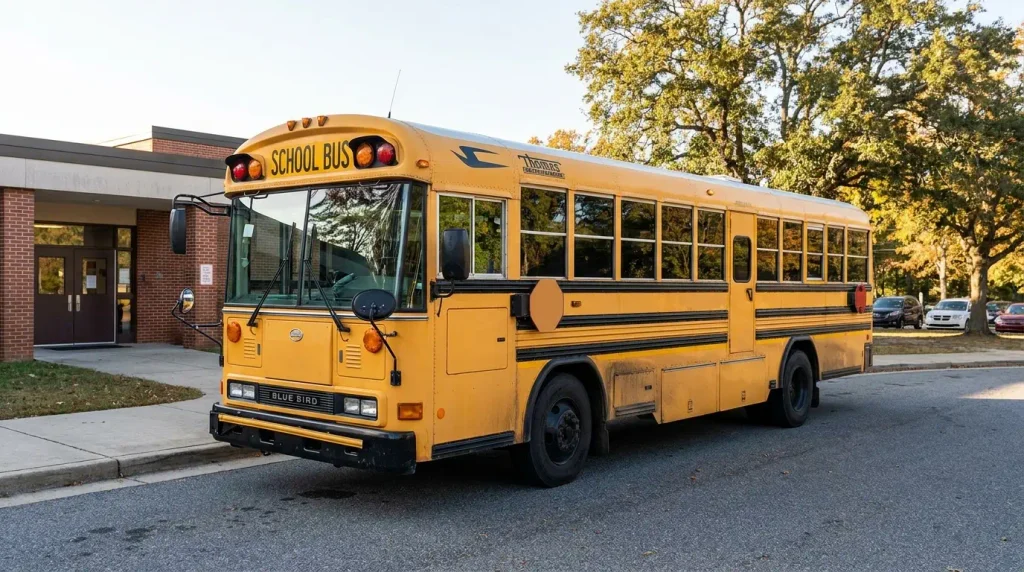
Among all common 10-meter objects, the standard yellow school buses remain the most instantly recognizable benchmark in daily life. Spanning roughly 33 feet from bumper to bumper, these iconic vehicles run routes worldwide carrying anywhere from 60 to 90 students safely per trip.
What makes this particular school bus length so valuable as a reference is pure universal familiarity: nearly every parent, every commuter, and most people can picture one parked along a street outside a school without any effort.
The 9 to 11 meters range these buses occupy makes the 10-meter dimension one of the least abstract measurements anyone encounters in everyday life.
2. Olympic Diving Platform
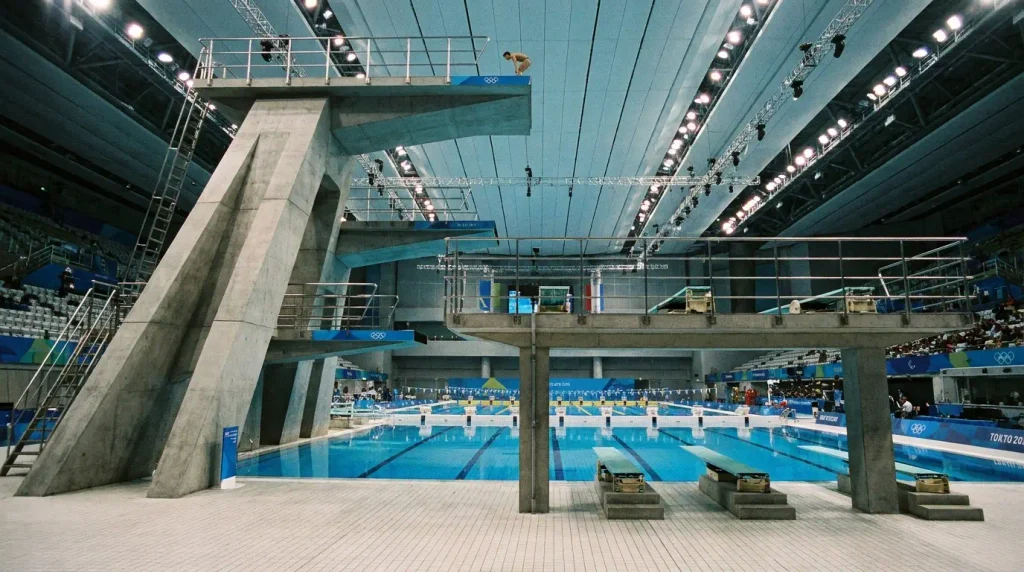
Not many structures make 10-meter height feel as physically real as the Olympic diving platform, where competitive divers launch themselves into pools at high speeds during swimming competitions.
This highest competition level structure demands extraordinary courage from every athlete who steps onto the diving board, and the thrilling spectacles it produces during the Olympics consistently shock first-time viewers. The dramatic nature of platform diving above water answers the question of what does 10 meters look like better than almost any static object.
3. London Double-Decker Bus
The Route master Double-Decker sits among the most celebrated icons of London, measuring 8.38 m and landing close to 10 meters long in a way that made it genuinely useful for anyone trying to teach 10 meter objects to people unfamiliar with metric distances.
Built to navigate London traffic efficiently, it featured an open door policy allowing riders to board and exit freely even at low speeds, while a dedicated conductor would collect fares throughout the journey.
Any experienced transportation engineer recognizes this double-decker bus length as sitting firmly within the 10-meter structure category, making it one of the most familiar worldwide references among all city buses and full-size transit bus comparisons available globally.
4. Two-Story Building Height
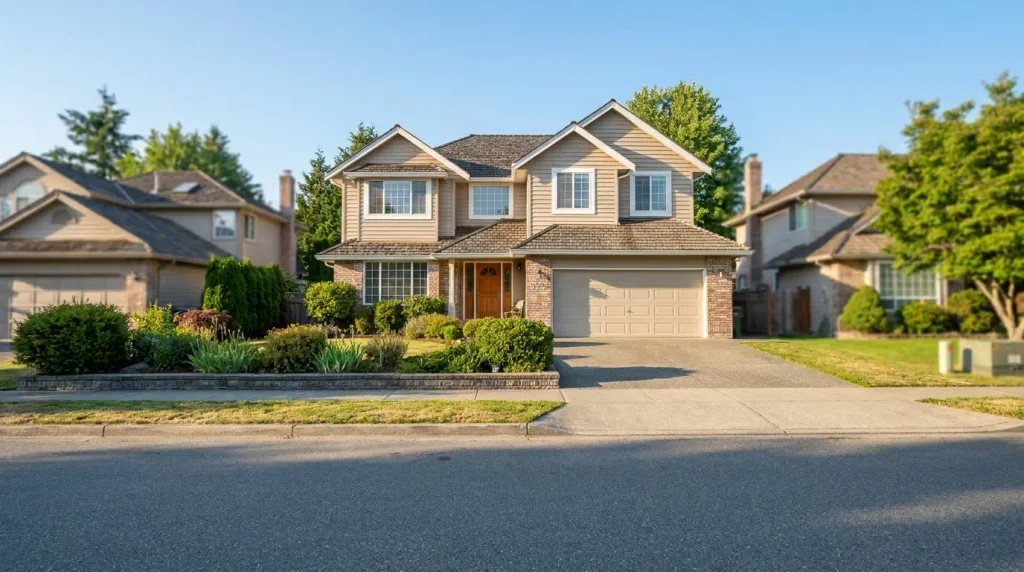
A suburban two-story home in residential neighborhoods rarely gets discussed as a measurement tool, yet its total building height consistently approaches 32.81 feet once roofing and support structures are included alongside standard floor heights of eight to ten feet per level.
Architects designing residential buildings account for 3 to 3.5 meters per floor including floor thickness and ceiling space, which pushes a three-story building toward 9 to 12 meters naturally.
Contractors reading blueprints and preparing construction estimates for renovation plans use this knowledge when calculating room spacing, hallways, and exterior distances.
5. Telephone / Utility Pole
Most people walk past a standard telephone pole every single day without realizing its exposed height of roughly 11 m places it just above the 10 meters threshold that utility companies rely on for standard residential sizing across streets and neighborhoods worldwide.
These utility poles simultaneously carry electrical lines and communication lines, and the majority across the USA are constructed from pine wood with a lifespan ranging from 25 to 50 years based on climate conditions and quality of preservatives used during installation.
Maintaining correct wire clearance at this height keeps traffic flowing safely below while preserving accessibility for maintenance teams year-round. Known regionally as a hydro pole, telegraph post, telegraph pole, or power pole, the 9 to 12 meters range consistently defines residential infrastructure standards globally.
6. Bowling Lane (Foul Line to Pin Deck)
Standing at the foul line and looking toward the pin deck gives any person an immediate sense of what 10 meters actually feels like underfoot. The United States Bowling Congress certifies every tenpin bowling lane at 19.156 m total, placing the functional playing distance at almost exactly a half a full lane.
This indoor sport is deeply embedded in American entertainment, making it one of the most accessible USA-friendly sport dimensions references available
7. 10-Meter Sprint Lane
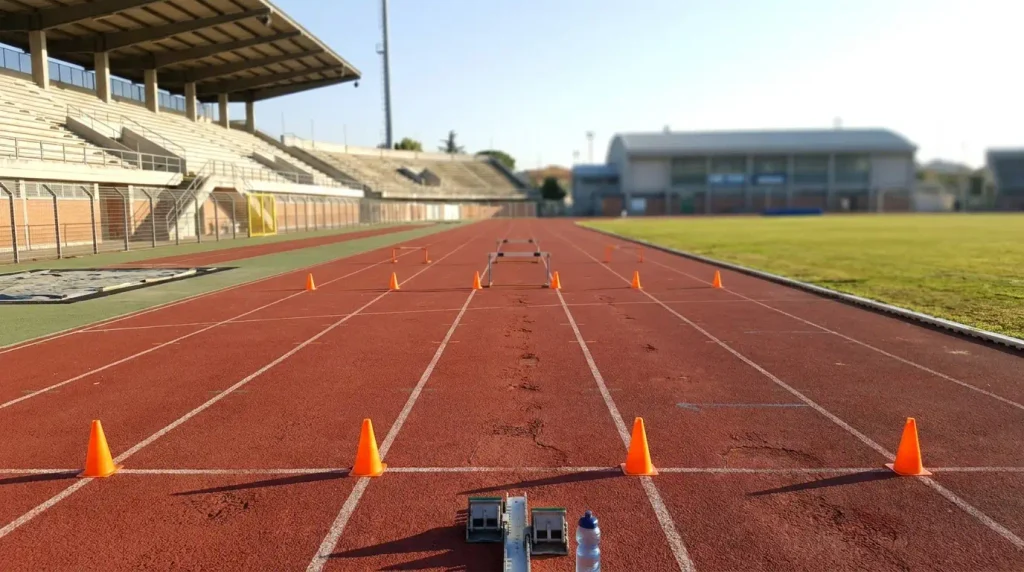
Within USA sports programs covering football, track, and soccer, the 10-meter sprint lane is a fundamental conditioning tool that reveals an athlete’s explosive speed and raw acceleration under pressure. Training fields use marked lines to define this short distance, and experienced coaches rely on analysis of each run to measure explosive power and reaction time precisely.
Professional training programs consistently include these drills because covering this distance at full force in less than two seconds separates elite performers from average ones.
8. Large Crocodile
A fully mature saltwater crocodile ranks among the largest animals on Earth, with body length reaching anywhere between 7 to 10 meters depending on age and habitat conditions. This enormous animal weighing over a thousand kilograms offers one of the most striking biological comparison references found anywhere in the natural world.
Unlike American alligators which grow considerably shorter, the saltwater crocodile delivers a genuinely dramatic length comparison that makes 10 meters feel both real and intimidating. For anyone who has encountered this reptile in wildlife settings outdoors, its sheer crocodile length leaves a permanent impression of just how substantial this distance truly is.
9. Two Sedan Cars End-to-End
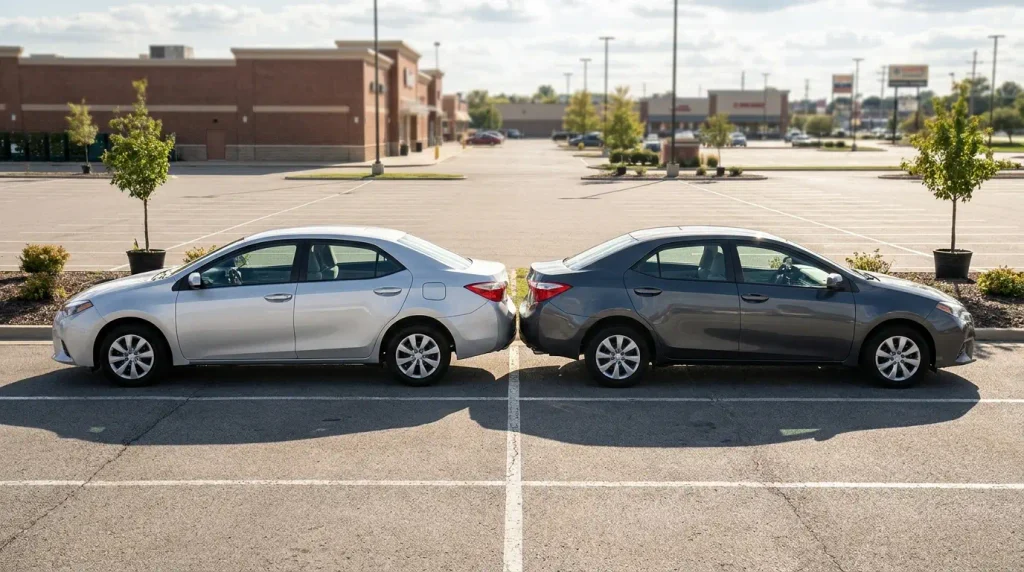
Most people never think of a parking lot as a measurement tool, yet two standard sedans placed bumper-to-bumper along any street span between 9 to 10 meters combined.
Each midsize car measures roughly 4.5 to 5 meters, and lined up together they form one of the most accessible vehicle comparison references imaginable.
Even the iconic 1964 Volkswagen Beetle at 4.079 m, a car that remained in continuous production for 75 years from 1938 to 2003 and earned widespread recognition as one of the most historically significant automobiles of the twentieth century, fits neatly into this sedan length calculation proving that everyday objects consistently hold surprising car lengths worth knowing.
10. Fire Truck Ladder
When a fire truck sits parked with its folded ladder secured to the vehicle, the fire truck ladder length typically measures between 6 to 10 meters in its fully retracted position, making it a surprisingly practical size reference hiding in plain sight.
The compact design allows emergency crews to maneuver efficiently through tight neighborhoods without sacrificing reach once extended to several stories high.
11. A Giraffe

Few wildlife references capture 10 meters as vividly as the adult giraffe, whose remarkable animal height reaches up to 6 m making it one of the tallest creatures in nature.
Stacking nearly two full-grown giraffes on top of each other produces a measurement that sits right at the 18 feet mark per animal, and combined they represent a vivid and memorable giraffe height comparison that genuinely surprises most people.
This biological reference works exceptionally well as a visual comparison because giraffes are globally recognized animals. Interestingly these creatures average just 1.9 hours of sleep daily, yet their tall stature permanently earns them a place in measurement education.
12. Netball Court Goal Third
Within international measurement standards governing court-based sports, the netball goal third stands as one of the most precise examples of a consistent measurement applied to field dimensions globally.
Each goal third of a netball court measures exactly 10 meters, giving players a built-in spatial awareness tool that sharpens their sense of spacing and movement during competitive play
13. Large Moving Truck
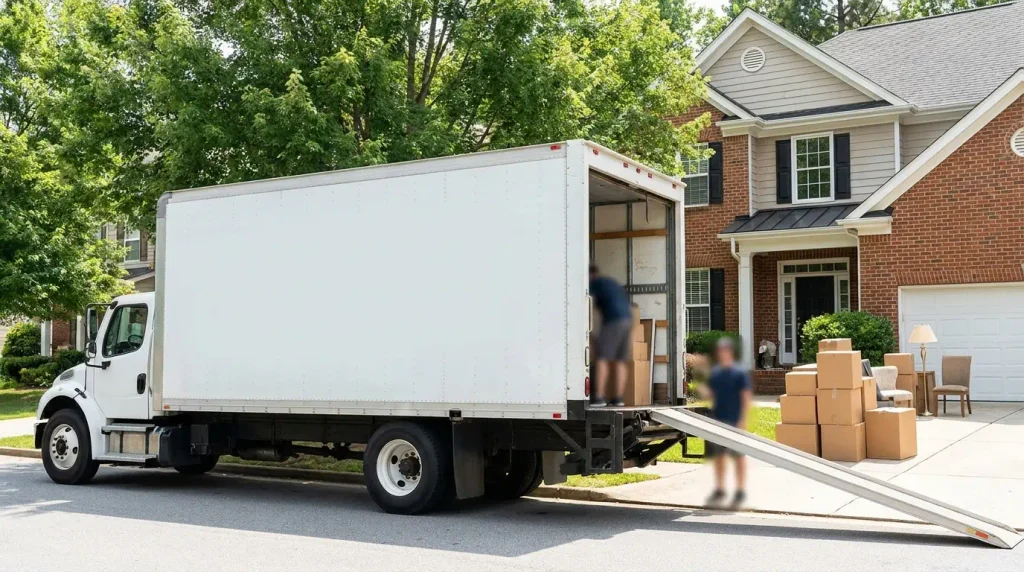
When people moving homes pull up in a 10-meter rental vehicle, most neighbors instinctively gauge the size without realizing they are looking at one of the most practical vehicle dimensions references on any residential street.
Box trucks and moving vans typically span 8 to 12 meters, with 10-meter models representing the most popular mid-size options chosen for apartments and small houses requiring adequate cargo space.
Unlike larger commercial rigs, these 10-meter trucks sit within a range that does not demand commercial driver’s licenses, making them accessible for everyday household relocations and commercial deliveries.
14. Soccer Penalty Arc
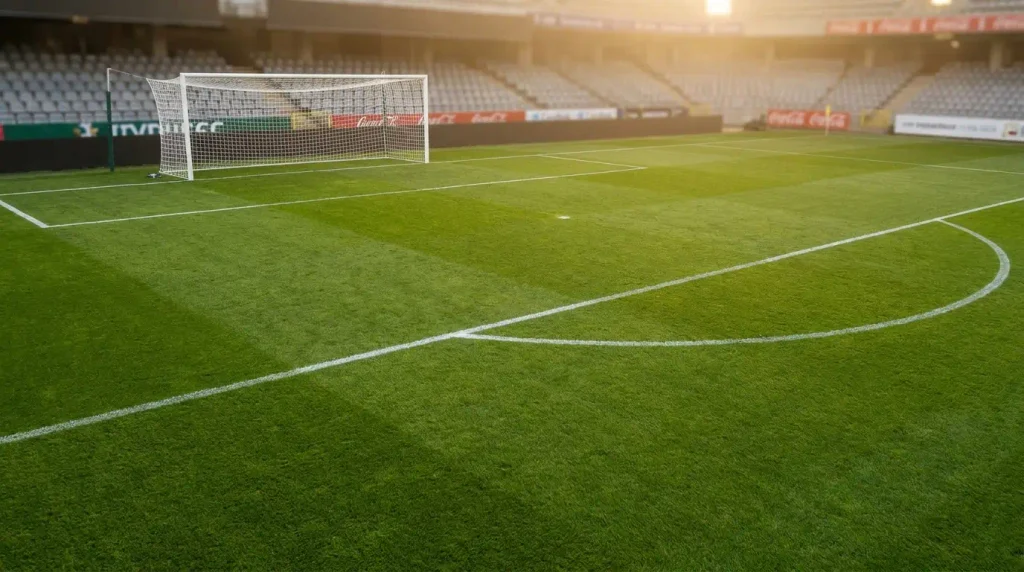
The soccer penalty arc radius of 9.15 meters positions it so close to 10 that coaches and players routinely use it as a 10 meter comparison during training sessions across every level of the game.
When a penalty kick is awarded, all players must remain outside arc boundaries, forming a curved line that defines soccer fields organized around precise spatial logic. Fans watching Major League Soccer or the World Cup see this arc repeatedly without recognizing its measurement significance.
Why Does A 10-Meter Distance Matter In Daily Life?
Understanding 10 meters reshapes how people approach property planning, vehicle selection, and safety awareness in surprisingly practical ways. From calculating setback dimensions and lot layouts to estimating fence lines and landscaping boundaries, this measurement quietly governs countless home improvement projects daily.
Spacing estimates for driveways, backyards, and interior walls become far more intuitive once a person internalizes this benchmark through reliable starting point comparisons. Beyond residential uses, fitness drills, athletic guidelines, equipment sizes, and product descriptions across sports practice all reference this distance.
Even hazard distances near electrical dangers and construction planning rely on it, proving that smart decisions consistently trace back to understanding this single practical measurement.
Faq’s
HOW IS A 10-METER LENGTH USED IN BUILDING AND ARCHITECTURE?
Architects and contractors use 10 meters as a standard building height reference for two-story residential buildings, room spacing, hallways, and exterior distances in blueprints and renovation plans.
What Does 10 Meters Equal When Converted To Feet?
10 meters translates to 32.8 feet in practical terms, a distance roughly comparable to crossing a generously sized medium-sized room from wall to wall. It is a short walking distance that most people can cover comfortably in just a few steps without any real effort.
How Can Walking Steps Help You Measure 10 Meters?
Count between 12 to 14 steps at a comfortable normal pace moving in a straight line. Most adults naturally cover 10 meters within this range making it a reliable no-tool measurement method.
How Long Does It Take To Walk 10 Meters In Seconds?
Walking at a relaxed average walking speed takes around 6 to 7 seconds to cover 10 meters. Those who walk briskly can complete the same distance in closer to 4 to 5 seconds.
Which Everyday Objects Measure Close To 10 Meters?
A standard yellow school bus, roadside telephone poles, two sedan cars placed end-to-end, and the distance from the foul line to the pin deck on a tenpin bowling lane all sit remarkably close to 10 meters.
How Can You Picture 10 Meters Using Familiar Surroundings?
Look at two cars bumper-to-bumper, the full height of a three-story building, or a school bus sitting at a street corner. Each one gives an immediate and reliable visual sense of this distance.
What Are Simple Ways To Estimate 10 Meters Without Any Tools?
Imagine a parked school bus, count roughly 12 to 14 large steps forward, or picture two cars end-to-end. Any of these gives a solid mental estimate of approximately 33 feet in real space.
WHAT ARE SOME COMMON THINGS THAT ARE MEASURED IN METERS?
Road widths, ceiling heights, sailboat sizes, swimming pool dimensions, property setbacks, athletic track lanes, vehicle lengths, safety clearance distances, room dimensions, and building heights are all everyday measurements where meters serve as the standard unit across architectural and engineering applications globally.