
Have you ever tried to figure out how long something is when you don’t have a ruler or measuring tape nearby? Most people misjudge space more than they realize. The truth is, the world around you is already full of familiar objects sitting right at the 12-inch mark.
From what’s in your kitchen to what’s on your living room wall, you are surrounded by natural measuring references. This guide walks you through the easiest, most common everyday objects that measure exactly one foot, so you never feel lost guessing a length again.
How long is 12 inches?
Most people have held a standard ruler at some point that full span from one end to the other is exactly one foot. It matches the diameter of a vinyl record, the face of a wall clock, and the length of a footlong sandwich. It is a length that quietly appears across kitchen tools, office supplies, and everyday objects more than most people notice.
12 inches = 30.48 cm = 304.8 mm = 1 foot = 0.33 yards = 0.3048 meters
Things That Are 12 Inches Long (Full List)
- Standard Ruler
- Footlong Subway Sandwich
- Vinyl Record (12-inch LP)
- Two U.S. Dollar Bills
- 12-Inch Pizza Pan
- A4 / Letter Sheet of Paper
- 12 Paper Clips
- 12 Hockey Pucks
- One-and-a-Half Bricks
- 2-Litre Soda Bottle
- Adult Foot / Wrist to Elbow
- Standard Wall Clock
- Zip Ties
- iPhone 17 Pro Max x2
1. Standard Ruler
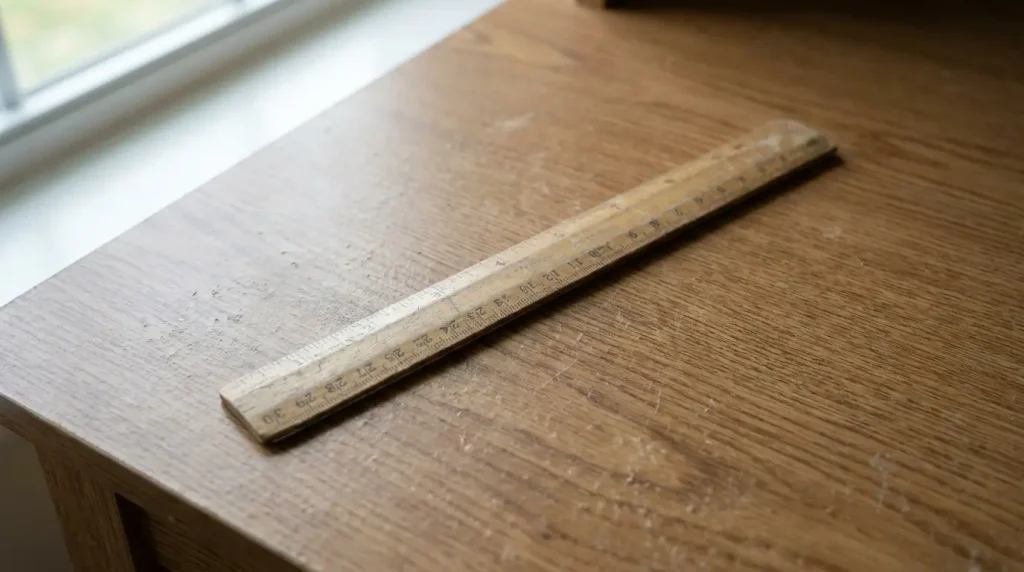
A 12-inch ruler is the most accurate and familiar measuring tool most people encounter first. In any classroom, office, or craft room, it defines a universal reference that students and professionals across generations rely on for its simplicity and reliability.
Unlike a tape measure, it fits inside a desk or bag without trouble. It reads both inches and centimeters, covering small object dimensions with precision. What separates a standard school ruler from a steel scale is material but both hold one foot as their exact boundary, making either a dependable go-to companion for precision work in any workshop.
2. Footlong Subway Sandwich

Few fast-food items have made a length as culturally memorable as the footlong sub. Subway built a worldwide identity around a foot-long sandwich that customers could physically compare end to end.
While actual measurements can vary slightly across locations, the concept of a satisfying hearty lunch stretching across your tray remains consistent with restaurant industry standards.
Whether it is a meatball sub, turkey sandwich, or classic cold cut, the generous filling makes the perfect size for both lunch and dinner.
3. Vinyl Record (12-inch LP)
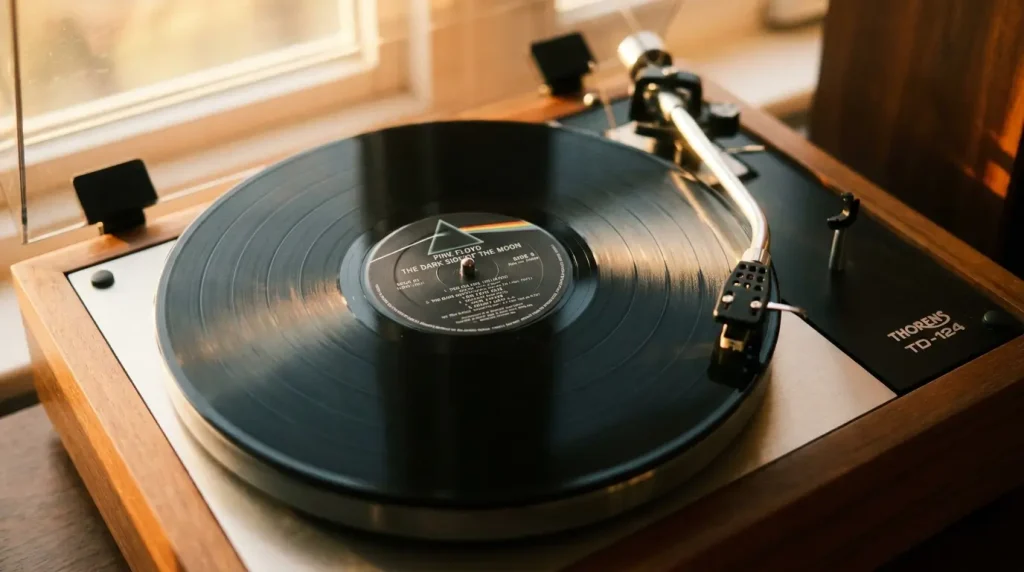
Before streaming existed, the 12-inch LP was how music lived. Standard LPs were manufactured to a precise one foot diameter, a size chosen so hands could hold comfortably while flipping through record stores. Unlike 7-inch singles or 10-inch EPs, full-length albums demanded more surface for longer listening experience and richer warm analog sound.
Collectors and DJs still treat the vinyl record as an industry standard for its timeless charm even against digital formats. Watching a spinning disc drop a needle into grooves feels like a ritual and that classic 12-inch diameter remains one of the most familiar real-world size references.
4. Two U.S. Dollar Bills
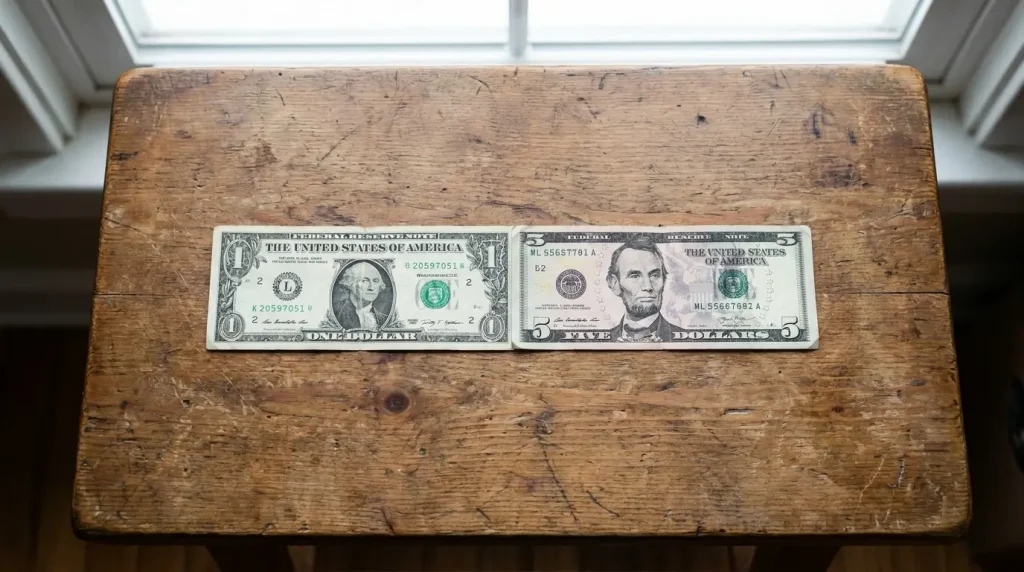
A single US dollar bill measures 6.14 inches in length, meaning two placed end-to-end reach 12.18 inches just 0.18 beyond a standard 12-inch span, making it an almost precise quick comparison tool.
Most people carry a wallet daily without realizing it holds an informal ruler. At 2.61 inches wide and 0.0043 inches thick, each bill is highly standardized, which is what makes two dollar bills reliable for estimating lengths of shelves, boxes, or small furniture.
5. 12-Inch Pizza Pan

A 12-inch diameter pan sits at the heart of most home baking routines, producing a cheesy, crispy pizza that cooks evenly without overwhelming a standard oven rack. It is the most popular size among pizza lovers because it balances cravings with portion control better than larger cookware.
Beyond pizza, the same circular round pan doubles as a loaf pan alternative in some kitchen setups, sitting beside a golden loaf fresh from the oven. Unlike a customized creation from a specialty shop, a standard 12-inch kitchen pan handles everything from pepperoni to margherita with consistent, reliable food results every single time.
6. A4 / Letter Sheet of Paper
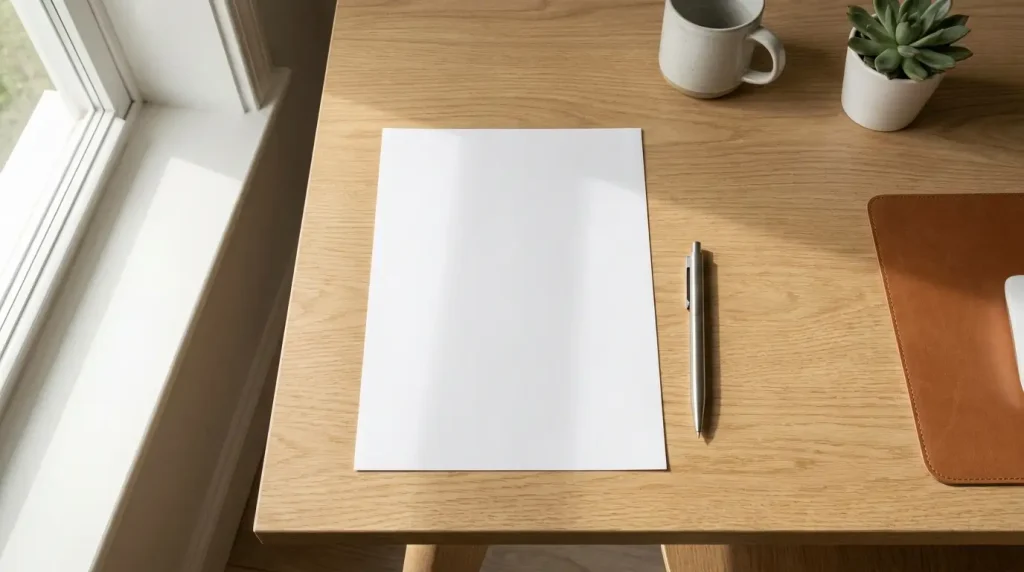
Office workers and students handle letter-size paper daily without realizing it sits just shy of a one foot span. At 11.7 inches on its long side, an A4 sheet measuring 29.7 cm by 21.0 cm makes a surprisingly functional visual reference for anyone without a ruler nearby.
Legal paper stretches to 14 inches while standard binder paper runs 11 inches, giving you a clear sense of where 12 inches actually falls between familiar documents. For printing, school assignments, or business reports, this widely used paper size quietly anchors spatial familiarity, its practicality extending well beyond office desk trays into everyday measurements.
7. 12 Paper Clips
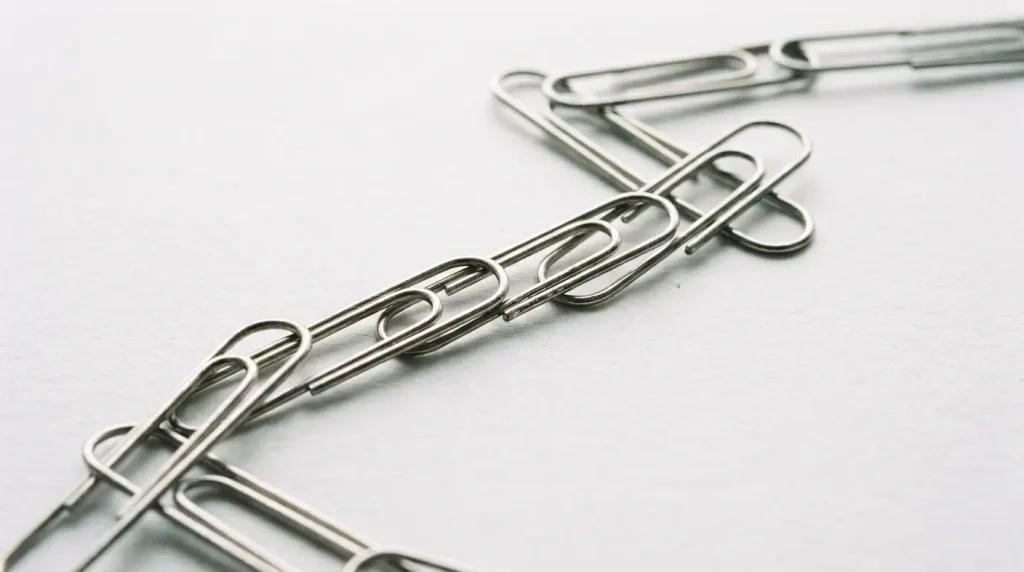
Walk into any office or home and you will find a box of paper clips sitting forgotten in a drawer, yet lined up in a row, 12 paper clips spanning 0.95 inches each reach just under a 12-inch span. This quiet workhorse of offices and homes keeps documents, receipts, and notes organized and tidy without fuss.
Standard clips measure roughly one inch, though jumbo sizes push closer to two inches, changing the count needed.
8. 12 Hockey Pucks

Not many people think of a gear bag as a measuring kit, but 12 pucks stacked into a single stack reveal something precise about space. Each standard puck runs 1 inch thick, so a dozen stacked vertically reaches exactly 12 inches with regulation precision.
On ice, these rubber discs take a slapshot and a pass equally well, built for consistent fast-paced gameplay without warping. Beyond sports, this measuring trick reflects a certain creativity in how equipment doubles as a structure reference. Whether you are estimating shelf depth or just curious, hockey pucks deliver an official size check with unexpected reliability.
9. One-and-a-Half Bricks

Construction workers have long used eyeballing as a skill, and one and a half bricks laid end to end is a classic field trick for checking 12 inches on site. A standard brick in the US follows the 4 x 2.25 x 8 inches format, meaning its length of 8 inches combined with half of another covers the full foot. While every manufacturer varies slightly, standard sizing stays close enough for practical building reference.
The width of 4 inches and height of 2.25 inches also offer useful sub-references when measuring smaller gaps. Few common brick size references feel as grounded as this one in real construction work.
10. 2-Litre Soda Bottle

Pull a 2-liter soda bottle from the fridge and you are already holding a standardized measuring reference most people overlook. The height of a standing plastic bottle hovers right around 12 inches, making it one of the most accurate household gauges hiding in plain sight. Its diameter of 4.2 inches and generous volume make it a practical container for get-togethers where you share and pour for friends without counting cups.
Beyond being a carbonated beverage store staple, its consistent standard build means you can grab one and instantly have a reliable beverage reference for any routine spatial check at home.
11. Adult Foot / Wrist to Elbow

Long before shoe sizing charts existed, the human body served as the original unit of measure. The average adult male foot, typically a men’s size 10 or men’s size 11, sits right at one foot in foot length, which is precisely where the imperial measurement unit got its origin.
Beyond the adult foot, the forearm from wrist to elbow spans 10 to 12 inches in most people, making it an intuitive body reference requiring zero tools.
12. Standard Wall Clock

Interior designers consistently recommend the 12-inch diameter wall clock because it sits at the exact upper boundary of the small category, spanning 8 to 12 inches, where readability and proportion still hold without dominating wall space.
Step into the medium range of 12 to 18 inches and the same clock face becomes the anchor of standard-sized rooms in kitchens and offices, commanding visibility from across the room. Large clocks pushing 18 to 24 inches shift into statement territory, better suited for open halls than everyday home décor. That round circular 12-inch span remains the most popular and practical time-telling choice overall.
13. Zip Ties
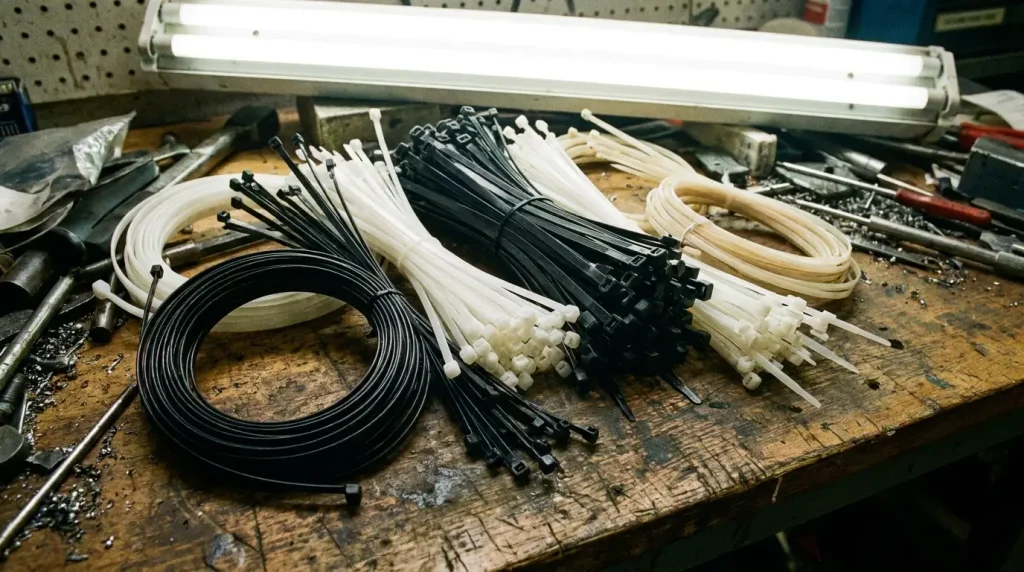
Most people reaching for cable ties grab whatever size sits closest, but the 12-inch variant is the most common length stocked across household toolkits for good reason. These versatile plastic strips handle everything from bundling cables to cinching bags shut, with a precise locking mechanism that holds firm under tension.
Sizes range from as short as 4 inches to as long as 60 inches, but the standard zip ties remain the sweet spot for securing everyday items without excess length or slack.
14. iPhone 17 Pro Max x2
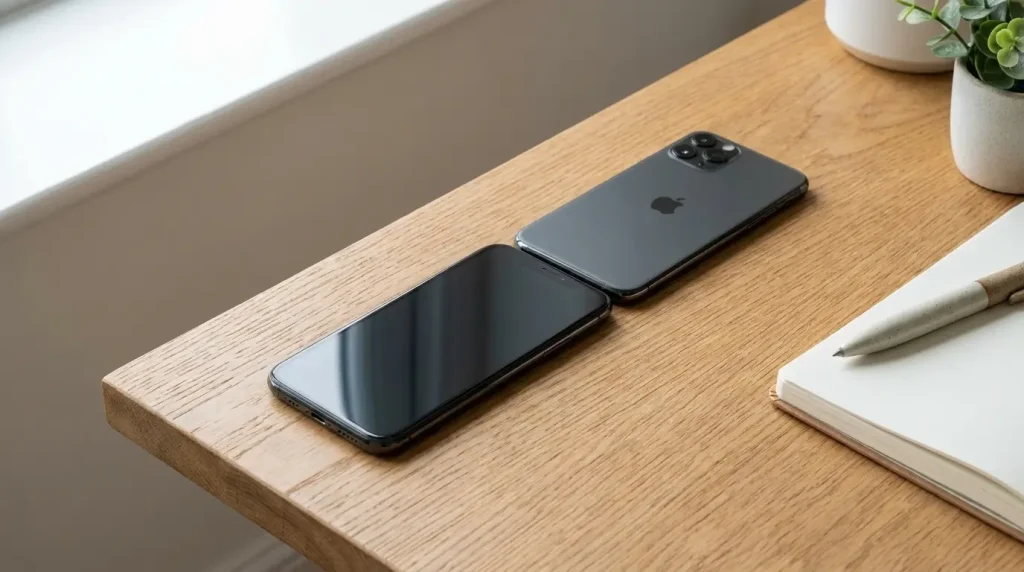
Apple’s lineup has quietly become a surprisingly reliable spatial reference for tech-aware people. The iPhone 17 Pro Max stands at 6.3 inches tall, meaning two iPhones placed stacked end to end reach 12.6 inches sitting just a breath past one foot and remarkably close to 12 inches in real life.
For anyone who owns this smartphone, that visual reference is always in their pocket, requiring no extra device or tool
Conclusion
Understanding length becomes effortless once you stop relying solely on tools and start reading the objects already around you. A sandwich, a vinyl record, a wall clock, or even your own forearm each carry that one-foot span within them, waiting to be noticed.
The real value of knowing common twelve-inch references is not just convenience, it sharpens spatial instinct over time. Whether you are shopping online, organizing a home, or cutting materials in a workshop, having a mental library of familiar lengths transforms guesswork into confident judgment. Twelve inches is everywhere once you know where to look.
Frequently Asked Questions
What does 12 inches equal in simple terms?
12 inches equals exactly one foot a simple, complete unit in the imperial system.
Is 12 inches exactly one foot?
Absolutely no rounding, no conversion needed. 12 inches and one foot are the same thing, just expressed differently depending on context.
How many centimeters are in 12 inches?
12 inches equals 30.48 centimeters. Simply multiply any inch value by 2.54 cm to convert it into metric.
How can you estimate 12 inches without using a ruler?
Use what is already around you. A footlong sandwich, 12 us quarters, or wall clock face each span roughly one foot. A sheet of paper falls just shy at 11 inches, and lining up 12 paper clips or placing two dollar bills end to end gives a solid approximation.
How does 12 inches compare to a human hand or arm?
12 inches runs notably longer than most adult hands, which typically span 7 to 9 inches. However, the forearm length from wrist to elbow closely matches it, making your own arm a natural body reference for quick comparison.
Is a 12-inch pizza small, medium, or large?
It sits comfortably as a medium size. At 12 inches, it is far from a handheld snack but not oversized either. On most restaurant scale charts, this diameter feeds two to three people, and size perception often makes it feel larger once sliced.