Most Americans draw a brain blank when asked to estimate something this precise. The answer is 0.0787 inches, sitting just under one-tenth of an inch, yet it shows up constantly across engineering, nature, and crafts. These minuscule dimensions carry a bigger impact than most realize.
From jewelry to coins, pencil leads to everyday objects, this measurement appears in nine distinct category types. Exploring these common items gives anyone instant reference points that make recognizing microscopic dimensions feel far less overlooked in daily life.
How Big Is 2mm?
Most people visualize this dimension by referencing a fingernail edge or a coin thickness. It sits just above 1mm and roughly equals 8/100ths of an inch. At this compact scale, it appears frequently in tile spacers, jewelry gauges, and leads.
Manufacturers use this optimal sizing for both durability and function. A ruler confirms it sits precisely between two stacked 1mm marks, making it a visible, naked eye measurement anyone can appreciate.
How Long Is 2mm?
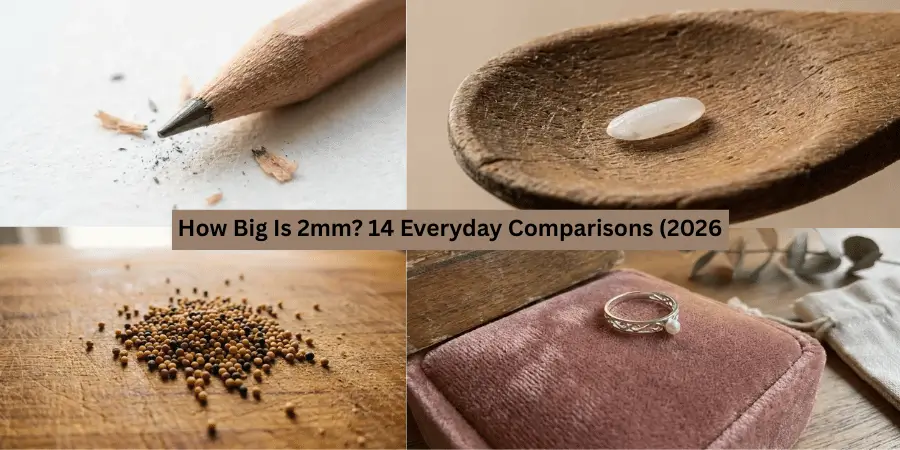
A mustard seed diameter, a small ant body length, or a pencil lead width all reflect this measurement precisely. Even a nickel edge or rice grain width communicates this scale instantly.
2mm = 0.2cm = 0.0787 inches = 0.002 meters
How to Measure 2mm Without a Ruler
No ruler nearby? Everyday pocket items work surprisingly well. A nickel held edge-on measures 1.95mm, practically spot-on. Two dimes stacked reach 2.7mm, giving a close upper reference. Mechanical pencil lead refills at their thickest drafting diameter also hit this mark.
Even two credit cards at 0.76mm each stack to 1.52mm, with a third reaching 2.28mm. These tactile, portable coin and wallet references let your fingers feel a genuine metallic sliver without needing any formal measuring tool.
No Ruler? Here Are 14 Things That Are Exactly 2mm
- Pencil Lead
- Mobile SIM Thickness
- US Nickel Coin Thickness
- Ceramic Tile Spacer
- Mustard Seeds
- A Small Ant
- A Rice Grain
- Matchstick Thickness
- Tiny Screws (Watch or Eyeglass Screws)
- Two Stacked Dimes
- Thin Ring or Earring Post
- Approximately 20 Sheets of Paper
- Smartphone Screen Glass
- Two Credit Cards Stacked
1. Pencil Lead
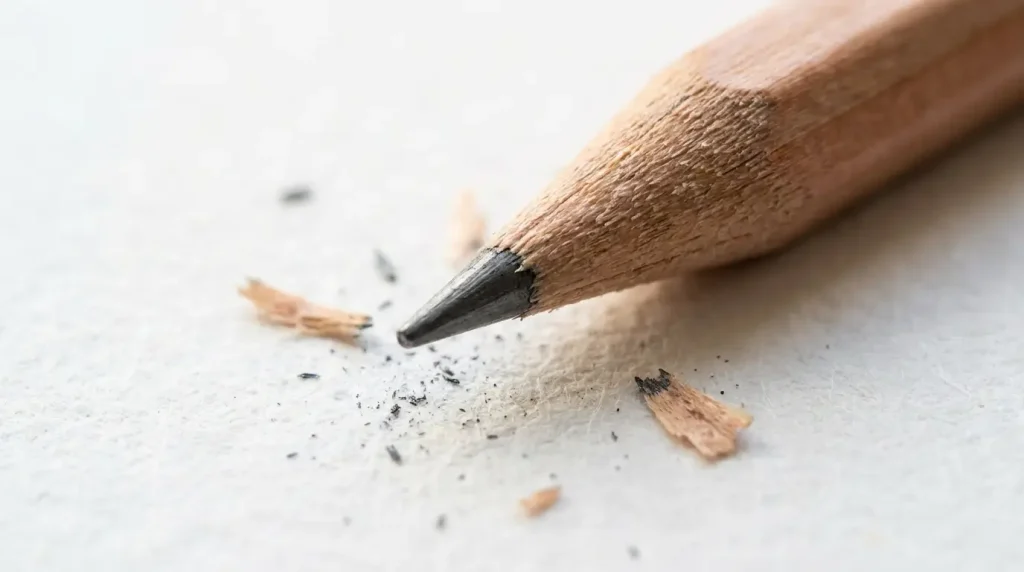
Artists and architects have relied on this thickness for decades. The lead offers a balance of durability and versatility that thinner options like 0.5mm simply cannot match. Sketching, shading, and technical drawing all benefit from its bold, consistent lines.
Engineers favor this standard diameter for drafting work because it glides effortlessly across paper without breaking. Every student’s backpack carries one, making it a universally relatable reference point for this precise dimension.
2. Mobile SIM Thickness
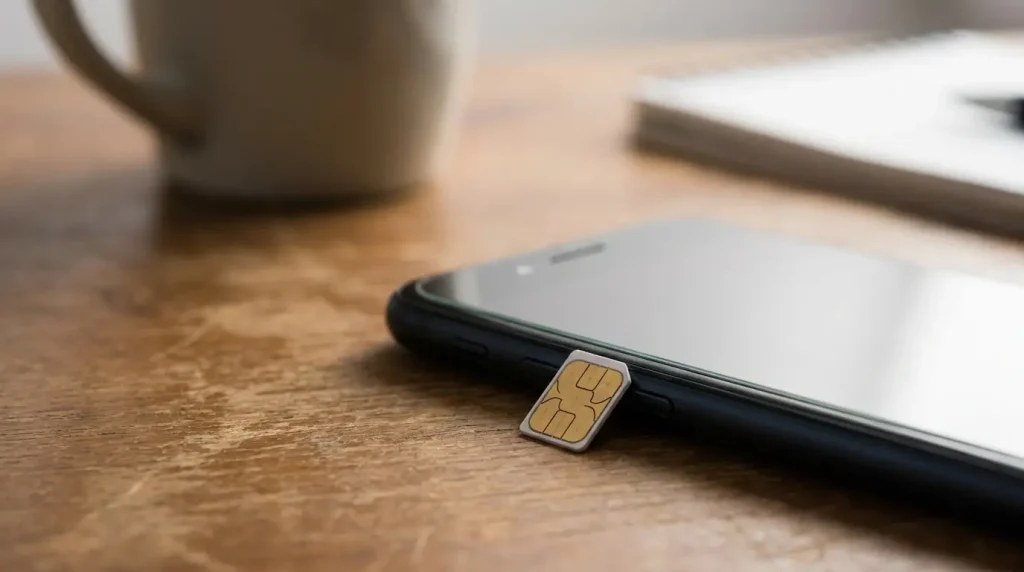
A mobile SIM card is a simple way to understand very small measurements in everyday life. A standard SIM card, whether Mini, Micro, or Nano, has a thickness of about 0.76 mm, so stacking around two to three SIM cards gives a thickness close to 2 mm. This makes it a practical reference when trying to picture small dimensions without using a ruler.
3. US Nickel Coin Thickness
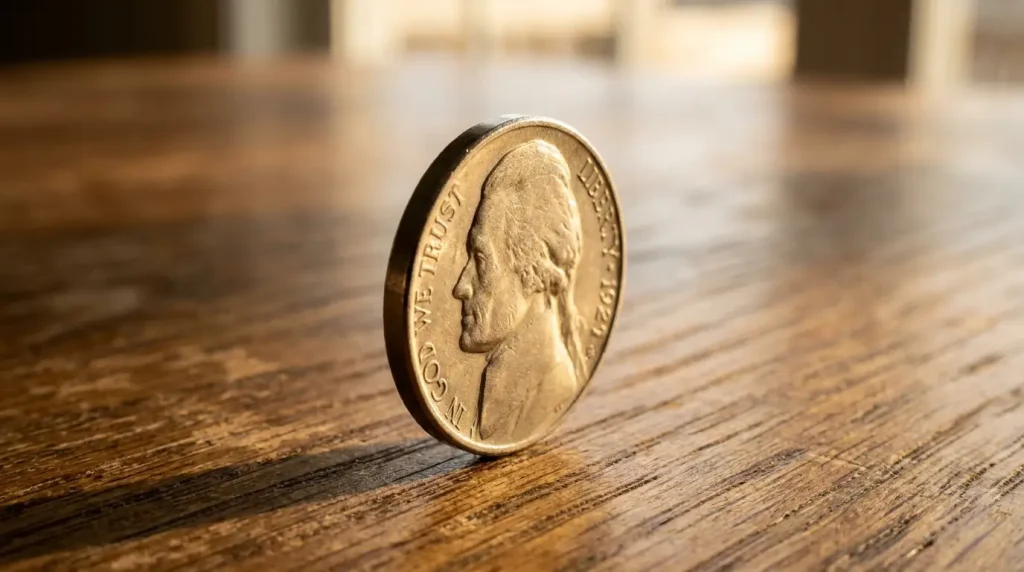
Most people never think about a coin’s edge until they need a quick size comparison. The American nickel measures 1.95mm, which is incredibly close to our target.
Its composition, 75% copper and 25% nickel, was chosen for resistance to wear over time. Collectors and cashiers can recognize this near-exact measurement instantly. No special tools needed.
4. Ceramic Tile Spacer
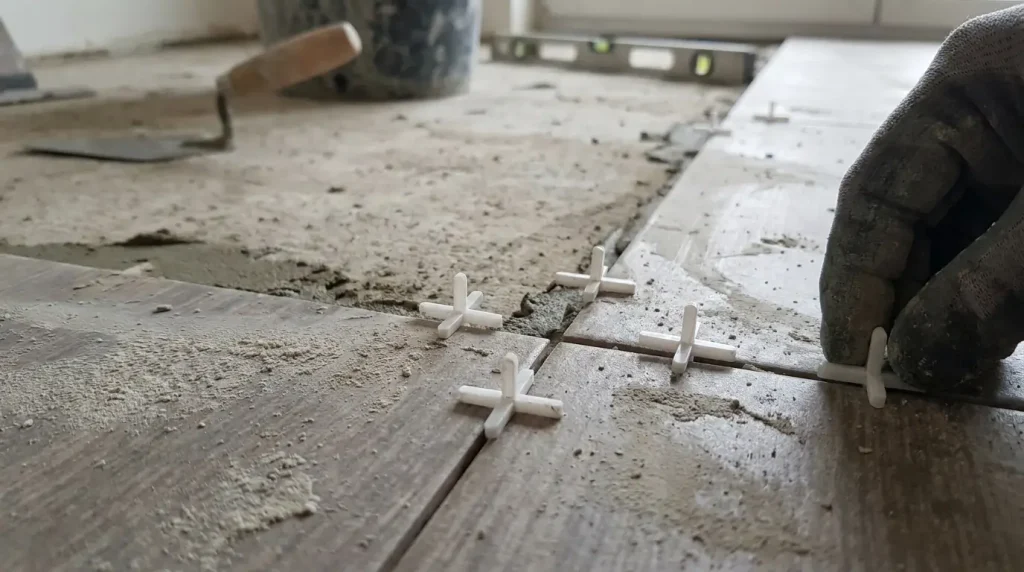
Home renovation professionals rarely discuss spacers, yet these tiny mighty tools define the final look. X-shaped versions handle standard grid layouts, while T-shaped ones suit brick-pattern installations.
Consistent gaps between ceramic and porcelain tiles ensure structural integrity underneath. Uniform spacing also creates those sleek, contemporary, minimal appearances seen in modern bathroom and kitchen designs
5. Mustard Seeds
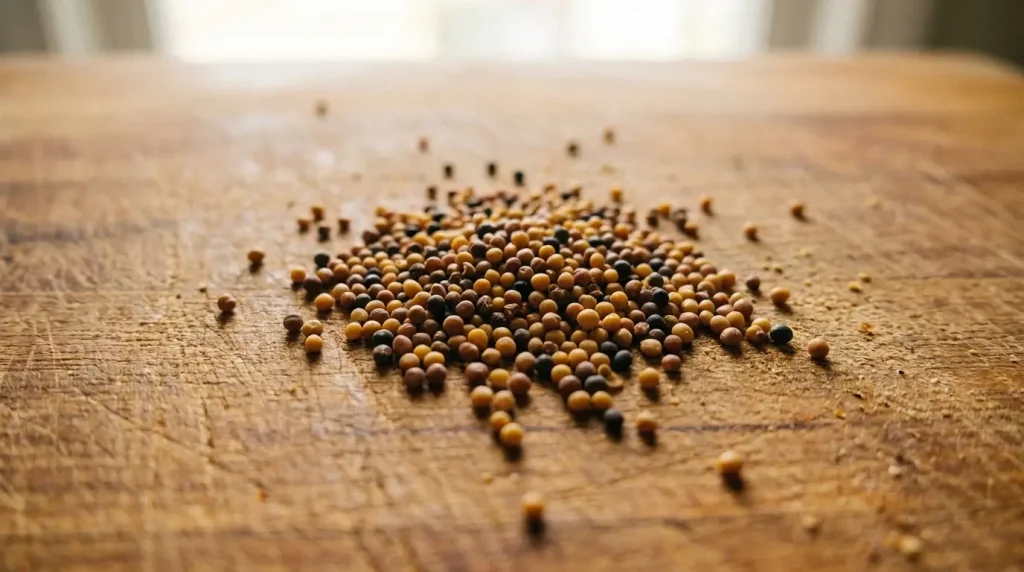
Few ingredients carry this much flavor in such a small diameter. Brassica nigra produces the most potent, robust variety, favored across global cuisines. American yellow, brown, and black varieties each bring a distinct, flavorful character to dishes.
These seeds range between 1mm and their upper measurement, packing healthy fats and antioxidants into every grain. Nature designed an astounding diversity here across nearly 40 types grown in temperate climates.
6. A Small Ant

Little black ants are among nature’s most precise architects. Their shiny, dark brown exoskeletons cover bodies that typically measure between 1.5 and 2mm in length. This range makes them a genuinely useful mental trick for visualizing the dimension without any tool.
They navigate tunnels and colonies with structural accuracy at a truly minuscule scale. Spot one on a kitchen counter and you have a live, breathing ruler right there. Their role in ecosystems proves that remarkable precision exists even in the smallest recognizable insects.
7. A Rice Grain
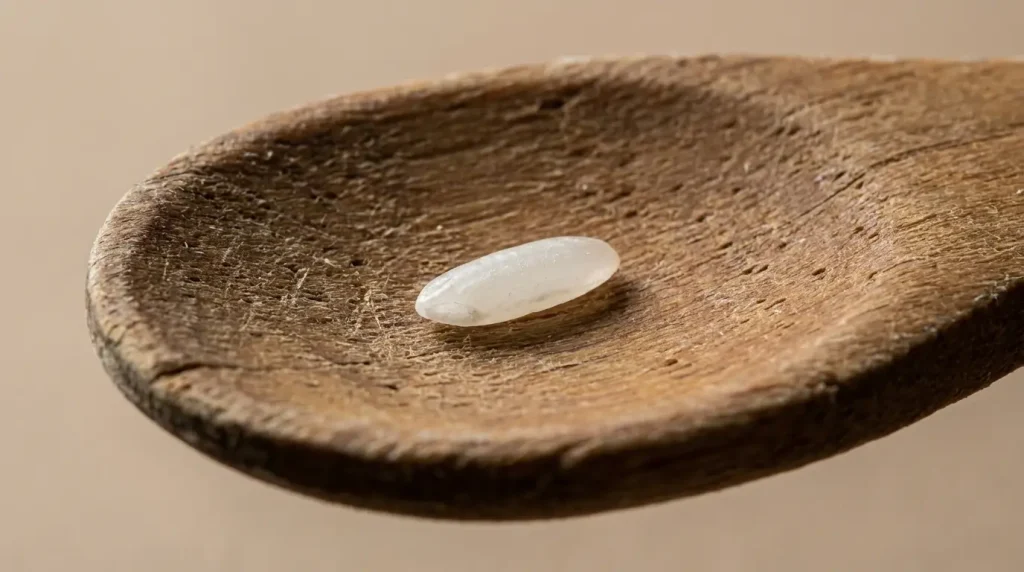
Long-grain varieties like basmati and jasmine are kitchen staples worldwide. What most home cooks overlook is their width.
These slender forms measure around 1.5 to 2mm across, making them a surprisingly familiar edible reference for this dimension. Their biological sizing stays consistent across species, which matters during meal preparation and cooking research.
8. Matchstick Thickness
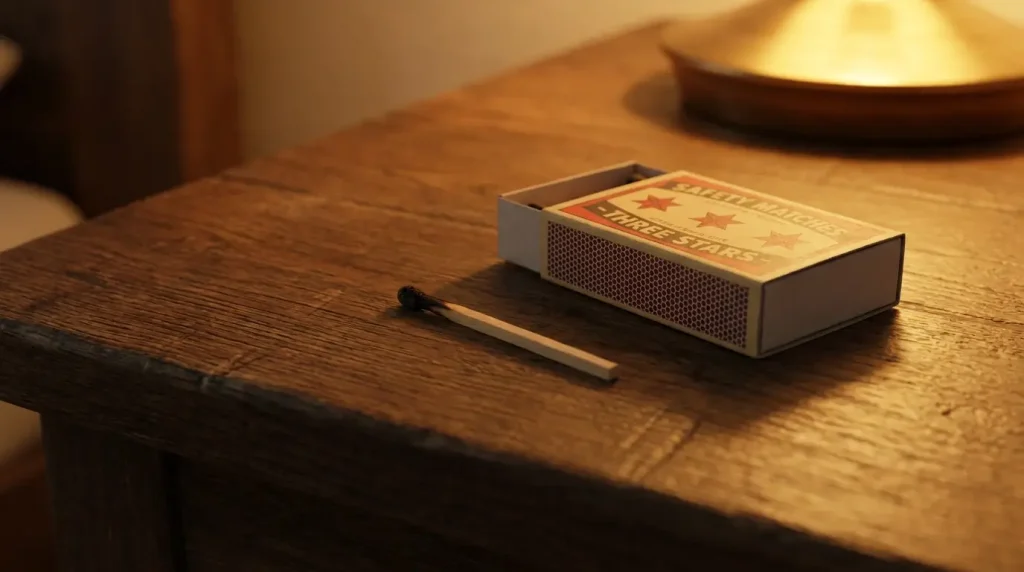
The matchstick carries quiet nostalgia and real utility in equal measure. Its slender shaft is precisely engineered wood designed to burn steadily and safely with a single strike.
The standard diameter sits right at this target measurement, making it a go-to reference for blogs and size comparison guides. Dozens are packed tightly inside a matchbox measuring 50.5mm by 37.5mm.
9. Tiny Screws (Watch or Eyeglass Screws)
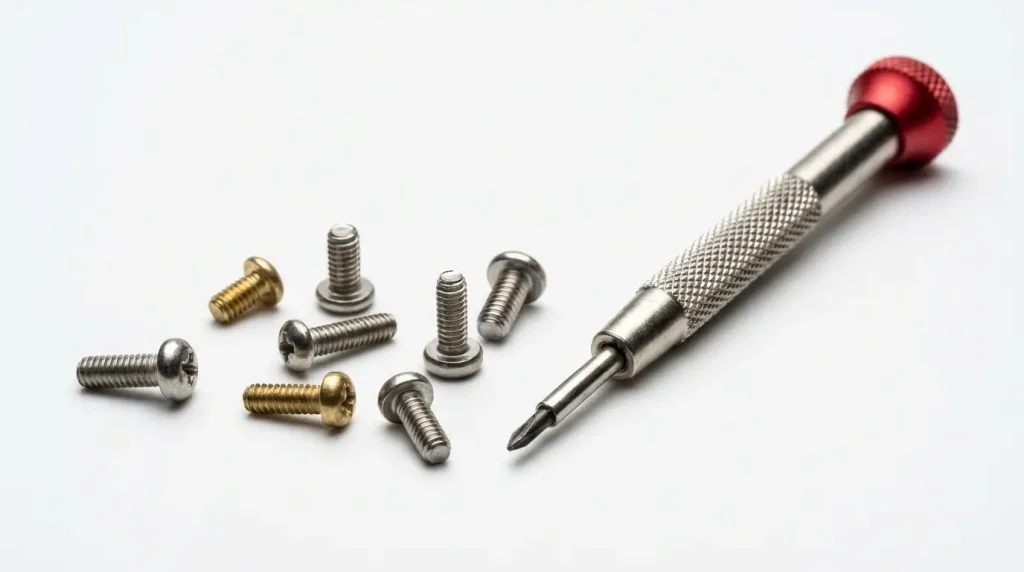
Precision engineering reaches its peak in miniature integration. Watch and eyeglass screws classified as CB0.6 have a 0.6mm diameter yet hold entire frames together reliably.
These tiny screws are true marvels of functionality, proving that every millimeter genuinely counts in lightweight design. At roughly 2mm in size, they demand tools and steady hands.
10. Two Stacked Dimes
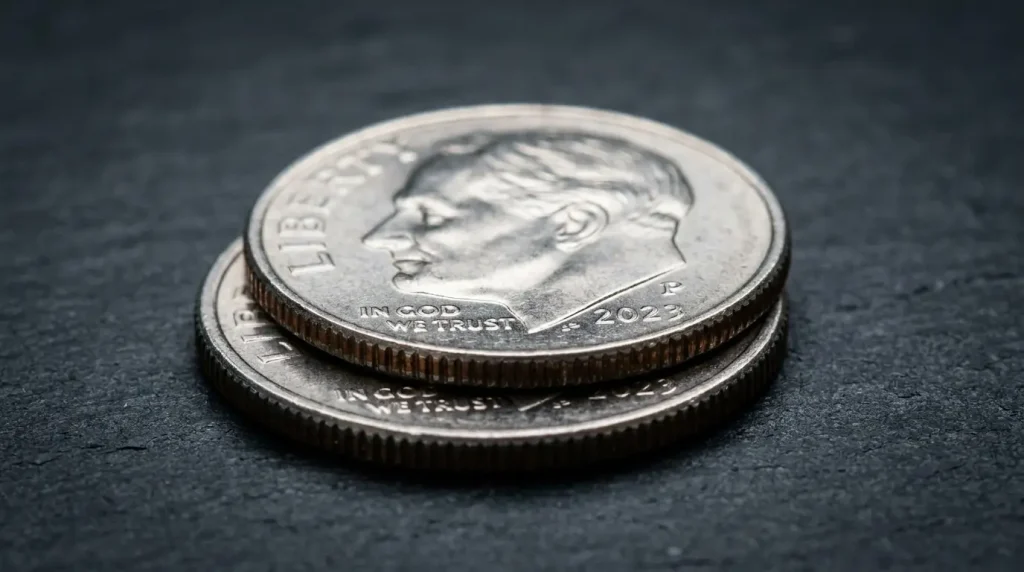
Each dime measures 1.35mm thick individually. Stacking two brings the combined height to 2.7mm, landing just above our target with a near-perfect visualization.
This makes stacked dimes one of the most accessible coin references available during daily transactions. Pocket change rarely gets studied this closely, yet pressing two edge-to-edge reveals something genuinely useful
11. Thin Ring or Earring Post
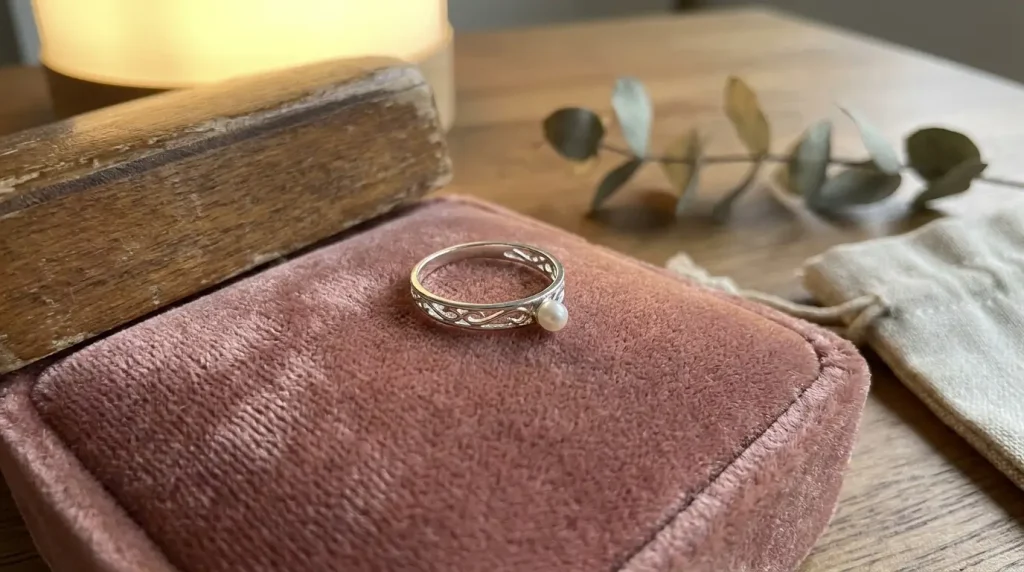
Minimalist jewelry design depends heavily on getting dimensions right. Stud earring posts and thin rings typically carry a standard diameter built around delicate scales. The thickness of these pieces must balance visibility with aesthetics so wearers stay comfortable throughout the day. Precision manufacturing at miniature scales ensures every band meets consistent sizing expectations.
At 2mm, these designs sit at the sweet spot between structural strength and visual lightness, making them a staple across minimalist jewelry collections globally.
12. Approximately 20 Sheets of Paper
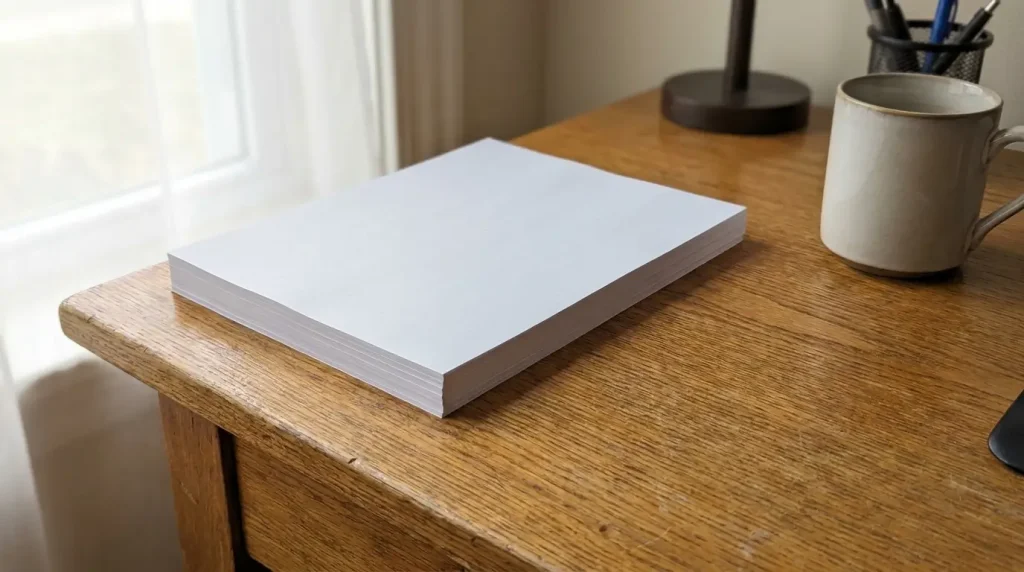
Most office workers handle stacks daily without considering individual layers. Standard printer paper measures 0.1mm thick, so stacking exactly 20 sheets reaches a total thickness that becomes genuinely measurable.
This accumulated build of thin layers creates a surprisingly substantial result at micro scales. It is one of the most practical office supply comparisons available anywhere.
13. Smartphone Screen Glass
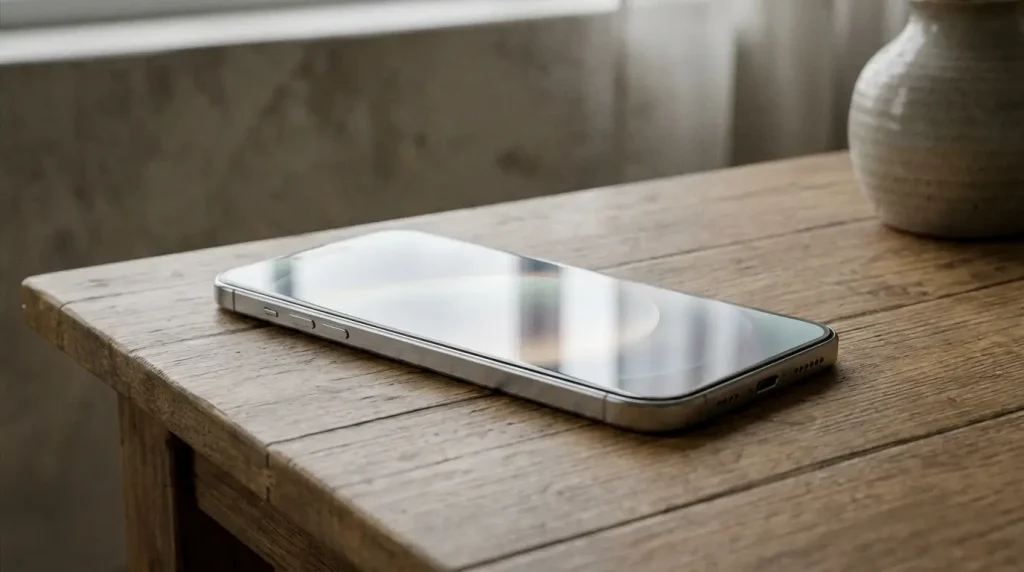
Tempered glass on modern smartphones balances durability with touch sensitivity in ways engineers spent years perfecting. The screen sits among several component layers, with spacing and edge areas carefully calculated.
Overall device thickness ranges between 7mm and 9mm, yet the glass itself remains impressively thin. At 2mm, this single component resists everyday impacts without compromising responsiveness.
14. Two Credit Cards Stacked
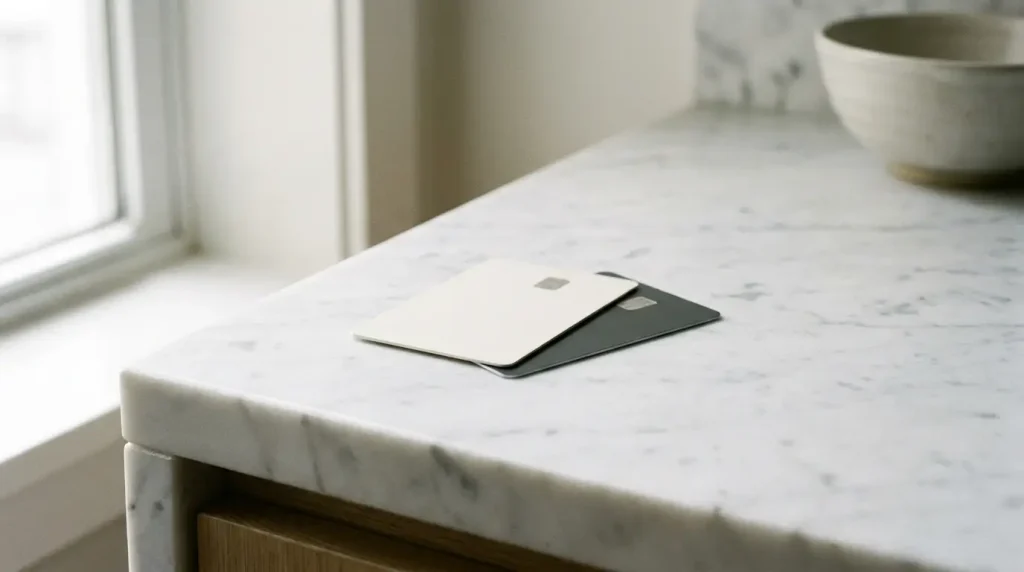
Credit cards follow a globally standard thickness of 0.76mm each. Stacking two reaches 1.52mm, and adding a third brings it to 2.28mm, making two cards the closest practical approximation.
Anyone with a wallet already carries this comparison tool everywhere. The familiarity of card thicknesses makes it easy to visualize this dimension naturally.
Conclusion
Understanding scale transforms how people approach shopping, craftsmanship, and precision engineering. A nickel pulled from your pocket, an ant spotted on a counter, or a gemstone set in a pavé ring all share this significant dimension. Jewelry, tile spacers, pencil leads, and coins become familiar references once you recognize them.
This measurement carries remarkable impact across manufacturing, art supplies, and floor work. What once seemed insignificant now feels pivotal, proving that small-scale objects shape confident decisions in ways people rarely realize.
Faqs
How can you visualize 2mm easily?
Stack two dimes and observe the combined edge. A nickel held edge-on shows 1.95mm, close enough for quick mental checks. Mechanical pencil lead refills and earring posts also serve as instant tactile references.
What common objects are about 2mm in size?
Several everyday items match this size. A nickel coin edge, mustard seeds, ceramic tile spacers, mechanical pencil lead width, a small black ant body, and thin jewelry posts all fall within this range. Stacked dimes and rice grain width are equally reliable comparisons.
Is 2mm visible to the naked eye?
Yes, 2mm is clearly visible to the naked eye. Unlike microscopic dimensions, this size is easily seen without any tool. Small seeds, tiny beads, and paper dimension markings at this scale are all readily identifiable
How long is 2mm in inches?
2mm equals 0.0787 inches. In practical terms, that is slightly under one-twelfth of an inch.
How do you measure 2mm on a ruler?
Find the centimeter line on any metric ruler. The small tick marks sitting between each centimeter represent 1mm individually. Count exactly two of these graduation marks forward and you have your target. That narrow gap between printed lines is subtle but clearly readable on every standard measuring tool.
How big is a 2mm gemstone?
At this size, a gemstone sits close to a pinhead in scale. Diamonds and sapphires at this cut are popular choices for pavé and micro-settings in fine jewelry. Individually they look tiny, but when clustered across a setting they create a genuinely dazzling surface. Delicate accent stones and thin rings benefit most from this sizing.